

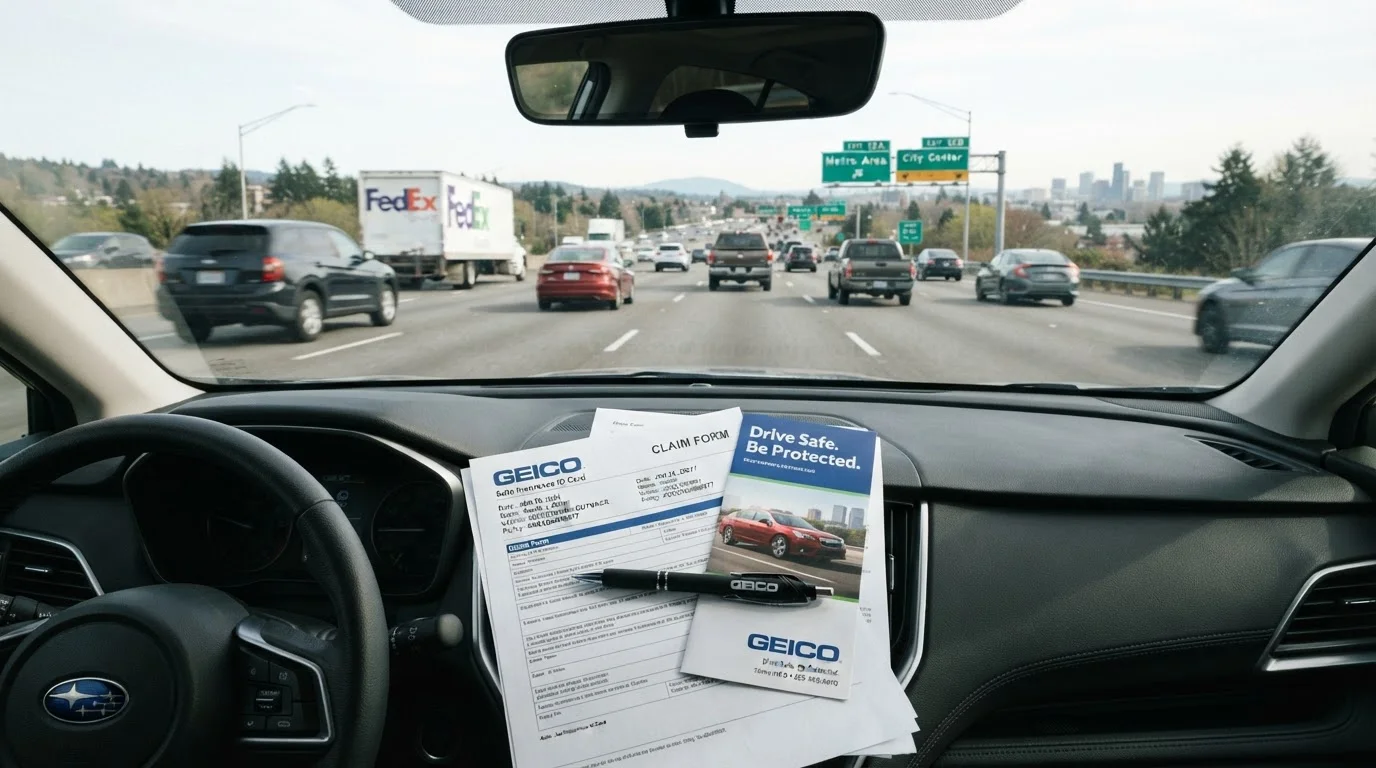
Why Auto Insurance Exists
Auto insurance is a risk-sharing mechanism. Drivers pool premiums with an insurer, which then absorbs the financial shock when an accident, theft, or weather event causes losses. Without it, a single collision could mean tens or hundreds of thousands of dollars in liability or repair costs falling directly on the driver at fault.
Beyond personal financial protection, insurance is the mechanism states use to ensure that injured parties - other drivers, pedestrians, passengers - have a realistic path to compensation. That's why nearly every state mandates at least a minimum level of coverage as a condition of registering and driving a vehicle. For a deeper look at coverage decisions facing new policyholders, see our guide for first-time buyers.
~13%
U.S. drivers estimated to be uninsured
According to the Insurance Research Council, roughly one in eight drivers on American roads carries no auto insurance.
$1,000+
Average annual auto insurance premium
The National Association of Insurance Commissioners reports average annual expenditures for auto insurance regularly exceed $1,000 in many states.
50
Separate state regulatory frameworks
Each U.S. state sets its own minimum coverage requirements, rating rules, and consumer protections, creating significant variation across state lines.
Coverage Types Explained
Auto insurance policies bundle several distinct protections. Understanding each one is essential to knowing what you're actually buying.
- Liability coverage - Pays for bodily injury and property damage you cause to others. Expressed as split limits (e.g., 25/50/25) or a single combined limit.
- Collision coverage - Pays to repair or replace your vehicle after a collision with another car or object, regardless of fault. Subject to your chosen deductible.
- Comprehensive coverage - Covers non-collision losses: theft, vandalism, hail, flooding, fire, and animal strikes. Also subject to a deductible.
- Uninsured/Underinsured Motorist (UM/UIM) - Protects you when the at-fault driver carries no insurance or insufficient insurance to cover your losses.
- Medical Payments (MedPay) / Personal Injury Protection (PIP) - Covers medical expenses for you and your passengers, regardless of fault. PIP is broader and required in no-fault states.
- Gap coverage - If you owe more on a loan or lease than the vehicle's actual cash value at the time of a total loss, gap coverage pays the difference.
When comparing coverage options, calculate your total out-of-pocket exposure - your deductible plus the gap between your loan balance and the vehicle's current value - not just the monthly premium.
Many drivers focus solely on premium cost and discover at claim time that they owe more on the vehicle than the insurer will pay, a situation gap coverage is designed to address.
Request a copy of your CLUE (Comprehensive Loss Underwriting Exchange) report annually. It shows your claims history as insurers see it and can reveal errors that are inflating your premium.
Inaccurate claims data in your CLUE report can raise your rates unjustifiably; under federal law you're entitled to a free copy each year.
Collision and comprehensive are often grouped as physical damage coverage and are typically required by lenders when a vehicle is financed or leased.
What Drives Your Premium
Insurers use actuarial data to estimate the likelihood and cost of future claims. The factors they weigh include:
- Driving history - At-fault accidents, traffic violations, and DUI convictions raise premiums significantly and can affect rates for three to five years.
- Vehicle make, model, and age - Safety ratings, repair costs, theft rates, and horsepower all factor into the insurer's risk assessment.
- Location - Urban areas with higher traffic density, theft rates, and severe weather frequency generally produce higher premiums than rural areas.
- Annual mileage - More miles driven means more exposure to risk.
- Credit-based insurance score - Permitted in most but not all states, this score is derived from credit data and is distinct from a standard credit score.
- Age and driving experience - Younger and less experienced drivers statistically file more claims, reflected in higher rates.
- Coverage levels and deductibles - Higher limits increase premiums; higher deductibles lower them.
Discounts are widely available - for bundling policies, completing defensive driving courses, low mileage, or maintaining continuous coverage. The general landscape of car ownership costs is worth understanding alongside insurance to see the full financial picture.
State Requirements and Minimums
Each state sets its own minimum liability limits, and a handful operate under a no-fault framework - where each driver's own insurer pays their medical expenses regardless of who caused the accident. No-fault states typically require PIP coverage.
State Minimums Are a Starting Point, Not a Strategy
Carrying only your state's minimum liability limits leaves significant financial exposure if you're involved in a serious accident. Medical bills alone from a multi-person injury can quickly exceed minimum limits, making you personally liable for the remainder. Review your net worth and assets when deciding how much liability coverage to carry - and speak with a licensed agent about what level of protection is appropriate for your situation.
Most financial advisers and insurance professionals suggest carrying liability limits well above state minimums. A minimum-limit policy in a state requiring 15/30/10, for example, could leave you personally responsible for damages that exceed those thresholds in a serious accident. State minimums are a floor, not a recommendation.
New Hampshire is the only state that does not mandate liability insurance outright, though drivers must still demonstrate financial responsibility. Virginia offers a fee-based alternative to coverage, though this is an exception, not the norm.
Filing a Claim: What to Expect
The claims process is where your policy earns its value - or where misunderstandings become costly. The general sequence works as follows:
- Notify your insurer promptly. Most policies require timely reporting. Delays can complicate or jeopardize your claim.
- Document the scene. Photographs, witness contact information, police report numbers, and the other driver's insurance details are all critical.
- Work with the adjuster. An insurance adjuster will assess the damage, determine fault (in at-fault states), and calculate the payout based on policy terms.
- Understand actual cash value (ACV) vs. replacement cost. Most auto policies pay ACV - the vehicle's market value before the loss, accounting for depreciation - not the cost of buying a new equivalent vehicle.
- Deductible applies first. Your out-of-pocket deductible is subtracted from the settlement amount for collision or comprehensive claims.
Disputing a Claim Settlement Is Your Right
If your insurer's payout offer seems too low, gather comparable vehicle valuations from multiple independent sources and present them formally to your adjuster. Every state insurance department offers a consumer assistance line to help policyholders understand the dispute process at no cost to you.
If you disagree with an insurer's valuation, you have options. Most states allow you to dispute a settlement offer, and your state's insurance department can provide guidance on the process without charge.
Gaps, Exclusions, and Common Pitfalls
Auto insurance policies contain exclusions - situations or losses the policy explicitly does not cover. Common exclusions include:
- Using a personal vehicle for commercial rideshare or delivery without a rideshare endorsement
- Intentional damage or fraud
- Mechanical breakdown (this is what vehicle service contracts cover)
- Personal belongings stolen from inside the vehicle (typically a homeowners or renters policy item)
- Drivers in your household who are not listed on the policy
Outdated Policy Details Can Leave You Unprotected
Failing to update your policy after a move, adding a new teen driver, or switching from a short commute to a longer one can create coverage gaps or give an insurer grounds to dispute a claim. Treat your declarations page as a living document and review it at every renewal cycle.
Review your declarations page - the summary document that lists your coverage types, limits, deductibles, and named drivers - at least once a year and after any major life change: moving, adding a driver, buying a new vehicle, or changing your commute distance. Decisions made at purchase time can quickly become outdated.
If you're also navigating a major financial transaction like a home purchase - where insurance and lender requirements intersect - our homebuying process walkthrough covers how those requirements fit into the closing process. And for ongoing vehicle ownership essentials beyond insurance, our buying and selling hub is a practical companion resource.
This article provides general information about auto insurance and is not a substitute for personalized advice from a licensed insurance agent or broker. Coverage terms, requirements, and regulations vary by state and insurer. Always read your full policy documents carefully.
The content on this site is for informational purposes only and is not a substitute for professional advice. Always consult a qualified professional for guidance specific to your situation.