

Why Movement Matters Even When Joints Hurt
It can seem counterintuitive to exercise when joints are painful or stiff, but extended rest typically worsens the underlying problem. Inactivity leads to muscle weakening, reduced joint stability, and decreased flexibility - all of which place more stress on joint structures during ordinary daily tasks. Research on conditions like osteoarthritis consistently shows that appropriate physical activity reduces pain and improves function over time, rather than accelerating joint damage.
The key distinction is between high-impact activities - such as running on hard pavement or contact sports - and low-impact alternatives that maintain movement benefits while minimising compressive and shear forces on joint surfaces. Understanding this distinction allows most people with joint discomfort to remain meaningfully active throughout their lives.
Movement also supports mental and emotional well-being, which is worth noting: chronic pain conditions are associated with elevated rates of depression and anxiety, and regular activity can help moderate both.
Consult a Professional Before Starting
This article provides general educational information, not personal medical advice. Joint pain can stem from many different conditions - including arthritis, tendinitis, bursitis, and post-surgical recovery - each with different activity considerations. Always consult a qualified healthcare provider or licensed physical therapist before beginning or significantly changing an exercise routine if you have joint pain or a diagnosed joint condition.
What You Need Before You Begin
A thoughtful setup makes a meaningful difference in how safely and sustainably you can exercise with joint pain. Review the prerequisites below, and gather any tools that suit the activities you plan to try.
What you will need
Resistance Bands
Provide gentle, adjustable resistance for strengthening muscles around joints without heavy loading.
Foam Roller or Massage Ball
Used before or after activity to release muscle tension and improve range of motion around joints.
Pool or Aquatic Facility
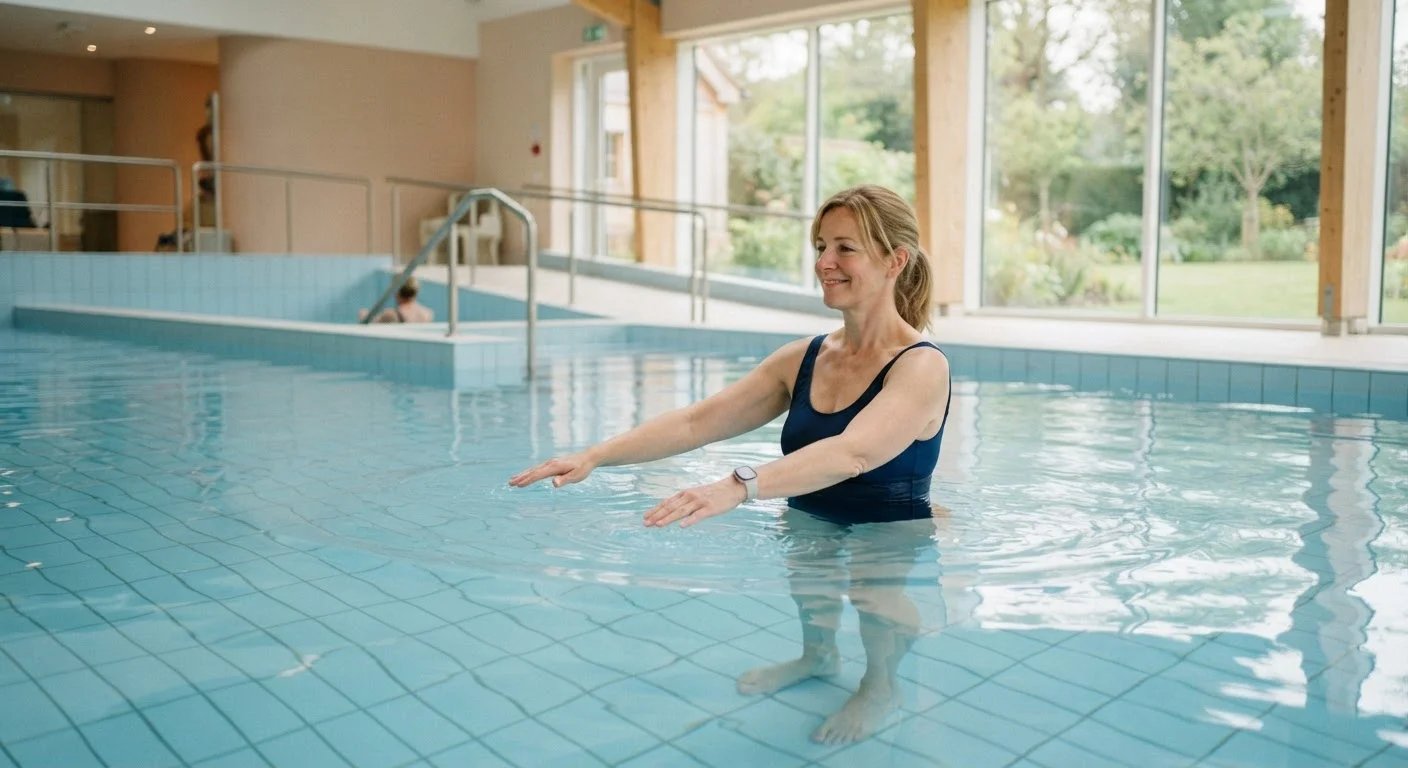
Water buoyancy significantly reduces the load on weight-bearing joints during exercise.
Stationary or Recumbent Bicycle
Allows cardiovascular exercise with minimal joint impact, particularly for the knees and hips.
Supportive Exercise Mat
Cushions contact points during floor-based stretching or gentle strength exercises.
Step-by-Step: Building a Joint-Friendly Movement Routine
The following steps outline a practical approach for incorporating regular activity when joint discomfort is a factor. Work through them in order - each builds on the last - and adapt based on how your body responds. If you are considering ramping up activity more significantly, a readiness checklist can help you assess where you stand.
Identify Your Joint Pain Pattern
Before selecting an activity, get clear on where your pain occurs, how intense it is, and what triggers or worsens it. Note whether discomfort appears during movement, afterward, or at rest. This self-knowledge - ideally reviewed with a healthcare provider - determines which activities are suitable starting points for you.
Choose a Low-Impact Activity That Fits Your Life
Low-impact activities reduce the force transmitted through joints during movement. Strong options include swimming and water aerobics, cycling on a stationary or recumbent bike, walking on flat, even terrain, tai chi, and chair-based yoga or stretching. The best activity is one you will actually do consistently, so factor in enjoyment and accessibility alongside joint suitability.
Warm Up for at Least Five Minutes
Cold, stiff joints are more vulnerable to irritation. Begin each session with gentle range-of-motion movements - slow arm circles, ankle rolls, seated leg swings, or a brief slow walk - to increase circulation to joint tissues. Do not skip this step, even on days when you feel good.
Incorporate Gentle Strength Work
Strengthening the muscles that surround a joint - such as the quadriceps and hamstrings for the knee, or the rotator cuff for the shoulder - reduces the mechanical load that joint cartilage bears with each movement. Begin with bodyweight exercises or light resistance bands rather than heavy weights. Focus on controlled, full-range-of-motion repetitions rather than maximum load.
Cool Down and Monitor Your Response
After each session, spend five minutes with gentle stretching and slow movement to help tissues recover and reduce post-exercise stiffness. In the hours following activity, pay attention to how your joints respond. Some mild muscle fatigue is normal; significant joint swelling or pain that persists beyond a couple of hours suggests the session was too intense and should be discussed with your care team.
Build Consistency Over Intensity
Frequency and consistency matter more than duration or difficulty when managing joint-related limitations. Regular, moderate movement maintains cartilage nutrition - cartilage lacks a direct blood supply and relies on compression and movement for nutrient delivery - whereas prolonged inactivity can accelerate stiffness. Aim for several shorter sessions across the week rather than infrequent, lengthy efforts. Brief movement breaks throughout the day can complement your main sessions effectively.
Start Small and Build Gradually
Even five to ten minutes of gentle movement daily can improve joint mobility and reduce stiffness over time. Progress at a pace that your body consistently tolerates rather than pushing to match any external benchmark. Easing back into activity after a break follows the same principle.
Sharp or Sudden Pain Is a Stop Signal
A distinction exists between mild muscle fatigue and joint pain that is sharp, sudden, or accompanied by swelling or instability. If you experience these during activity, stop immediately and seek guidance from a healthcare professional. Exercising through acute joint pain can worsen underlying injury.
Adapting Over Time
Joint-friendly exercise is not a fixed prescription - it should evolve as your strength, mobility, and confidence grow. Once a given activity feels manageable and pain-free for several consecutive sessions, you can gradually increase duration or add variety. Introduce changes incrementally: adjust one variable at a time (duration, frequency, or resistance) and observe your joint response before adjusting another.
Some people with joint conditions will always have days that require modification or rest, and building that flexibility into your routine prevents the cycle of overdoing it and then stopping altogether. Working periodically with a physical therapist - even for a session or two - can provide personalised guidance that general information cannot replicate.
This article is for general informational and educational purposes only and does not constitute medical advice. Always consult a qualified healthcare provider or licensed physical therapist regarding your individual health situation before starting or modifying an exercise program.
The content on this site is for informational purposes only and is not a substitute for professional advice. Always consult a qualified professional for guidance specific to your situation.