

Our Verdict
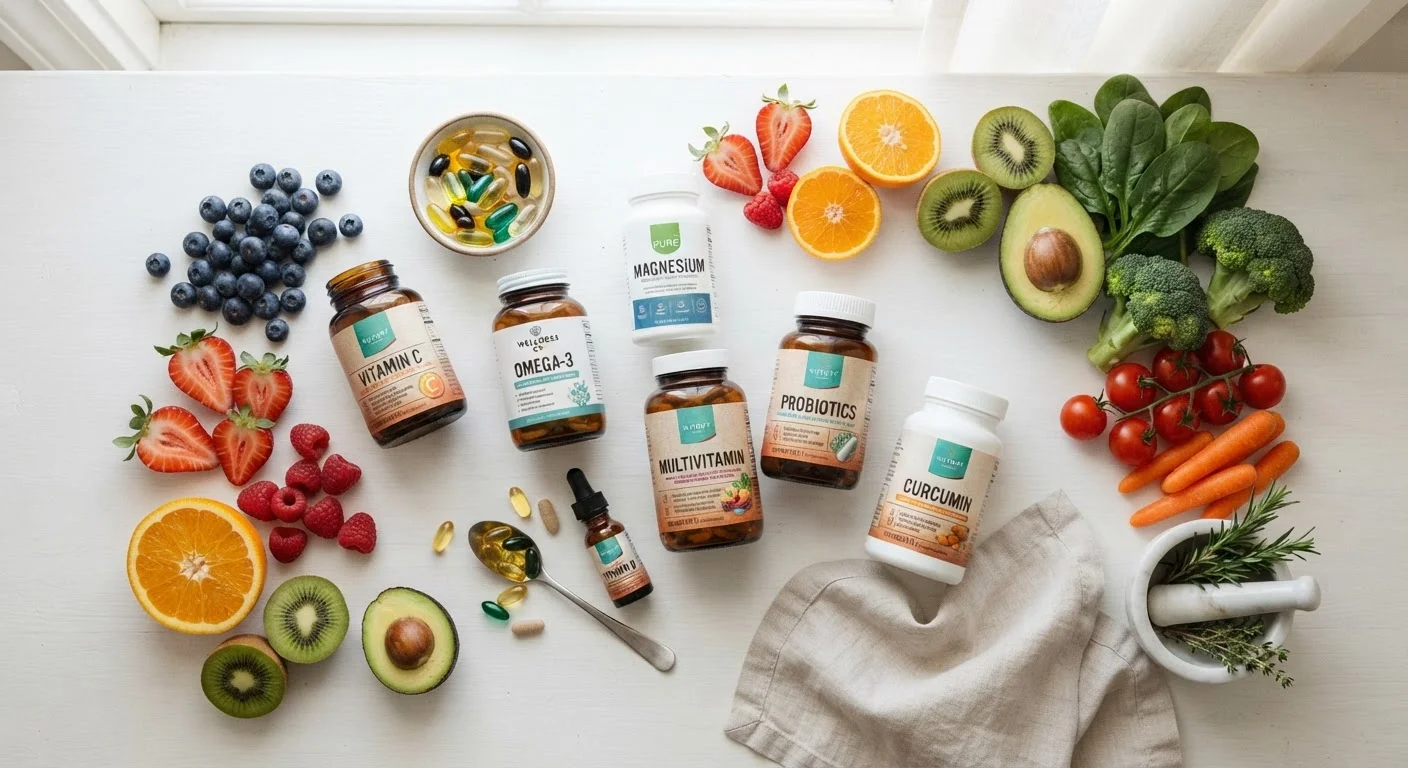
Dietary supplements occupy a legitimate, if narrow, role in supporting health - primarily when a documented deficiency exists, a life stage creates elevated needs, or a dietary pattern restricts key nutrient sources. For most otherwise healthy adults eating a reasonably varied diet, supplements are unlikely to deliver meaningful added benefit and may carry overlooked risks. The evidence strongly favors food-first nutrition, with supplements reserved for targeted, clinician-guided use.
Best for individuals with confirmed nutrient deficiencies, specific medical conditions, pregnancy, or restrictive dietary patterns - ideally guided by a healthcare provider.
What Dietary Supplements Actually Are
The term "dietary supplement" covers a wide range of products - vitamins, minerals, herbal extracts, amino acids, enzymes, and more - sold in capsule, powder, gummy, or liquid form. Under the Dietary Supplement Health and Education Act (DSHEA) of 1994, the U.S. Food and Drug Administration (FDA) does not evaluate supplements for safety or effectiveness before they reach store shelves. Manufacturers are responsible for ensuring their products are safe, but the FDA can only act after a product is already on the market if harm is reported.
This regulatory gap is worth understanding before spending money on any supplement. Unlike prescription drugs, which must pass rigorous clinical trials, supplements can make general structure-function claims ("supports immune health") without proving those claims. For a deeper look at how nutrition claims are often misrepresented, see our guide to persistent nutrition myths.
How Supplement Regulation Differs from Drugs
Unlike pharmaceutical drugs, dietary supplements do not require FDA approval before going to market. Manufacturers must notify the FDA of new ingredients introduced after 1994, but the agency cannot require pre-market safety testing. This means consumers bear more responsibility for evaluating product quality. Third-party certification seals from organizations such as USP or NSF International provide an additional, independent layer of quality assurance.
The Case For Supplements
There are clear, evidence-supported scenarios where supplements provide genuine value:
Corrects confirmed nutritional deficiencies effectively
When blood tests reveal a genuine deficiency - such as low vitamin D or iron-deficiency anemia - targeted supplementation under clinical guidance is an established, effective intervention.
Supports elevated needs during pregnancy
Folic acid supplementation before and during early pregnancy is strongly recommended by the CDC and major obstetric bodies to reduce the risk of neural tube defects - a case where food alone is often insufficient.
Fills gaps in restrictive dietary patterns
Strict plant-based diets can fall short on vitamin B12, which is found almost exclusively in animal products; supplementation is widely considered necessary for long-term vegans.
Addresses age-related absorption decline
Older adults absorb certain nutrients - particularly B12 and vitamin D - less efficiently from food, making supplementation a clinically recognized tool for this population.
57%
U.S. adults using dietary supplements
According to the National Institutes of Health Office of Dietary Supplements, more than half of American adults report taking at least one dietary supplement.
$50B+
Annual U.S. supplement market size
The U.S. supplement industry generates over $50 billion in annual sales, reflecting widespread consumer use that far outpaces the clinical evidence base for most products.
Populations most likely to benefit include pregnant women (folic acid and iron), older adults (vitamin D and B12), people following strict plant-based diets (B12, iron, zinc, omega-3s), and those with diagnosed malabsorption conditions. If you follow a plant-based eating pattern, our article on nutritional trade-offs in plant-based and omnivore diets outlines which nutrients most commonly require attention.
The Case Against Supplements
For every scenario where a supplement helps, there are many more where it offers little benefit - and some where it causes harm:
Most healthy adults don't need them
Large, well-designed trials - including the Physicians' Health Study II - have generally not found that multivitamin supplementation reduces disease risk in well-nourished adults eating a varied diet.
Can interact dangerously with medications
Vitamin K can reduce the effectiveness of warfarin, St. John's Wort can interfere with antidepressants and birth control, and high-dose fish oil can increase bleeding risk - interactions that are easy to miss without professional guidance.
High doses carry toxicity risks
Fat-soluble vitamins A, D, E, and K accumulate in the body and can reach toxic levels with excessive supplementation. Vitamin A toxicity, for example, can cause liver damage and is especially dangerous during pregnancy.
Quality and label accuracy vary significantly
Because pre-market FDA approval is not required, independent testing by groups like ConsumerLab has found supplements that contain more, less, or different ingredients than their labels claim.
May create a false sense of dietary security
Relying on supplements can reduce motivation to improve actual diet quality, even though whole foods deliver fiber, phytonutrients, and nutrient combinations that no pill replicates.
Even careful eaters can overlook nutrient gaps in their existing diet before turning to supplements. Our article on nutrition pitfalls that sneak into careful diets identifies which gaps are most common and how food-first strategies can close them.
How to Make a More Informed Decision
Before purchasing any supplement, consider these evidence-based steps:
- Get tested first. Blood work can confirm whether a deficiency actually exists. Supplementing without knowing your baseline is guesswork.
- Talk to a healthcare provider. A physician, registered dietitian, or pharmacist can assess whether a supplement is appropriate given your health history and medications.
- Look for third-party verification. Organizations such as USP (U.S. Pharmacopeia), NSF International, and ConsumerLab independently test supplements for purity and label accuracy. Products bearing their seals have cleared an additional quality hurdle.
- Prioritize food first. A balanced plate built on whole foods delivers nutrients in the combinations and forms the body is best adapted to use.
Supplement spending is also a consumer decision worth scrutinizing. The strategies explored in smart shopping apply here: evaluate claims critically, compare costs, and recognize that premium pricing rarely reflects proven efficacy.
This article is for general informational purposes only and does not constitute medical advice. Consult a qualified healthcare professional before starting, stopping, or changing any supplement or medication.
The content on this site is for informational purposes only and is not a substitute for professional advice. Always consult a qualified professional for guidance specific to your situation.