

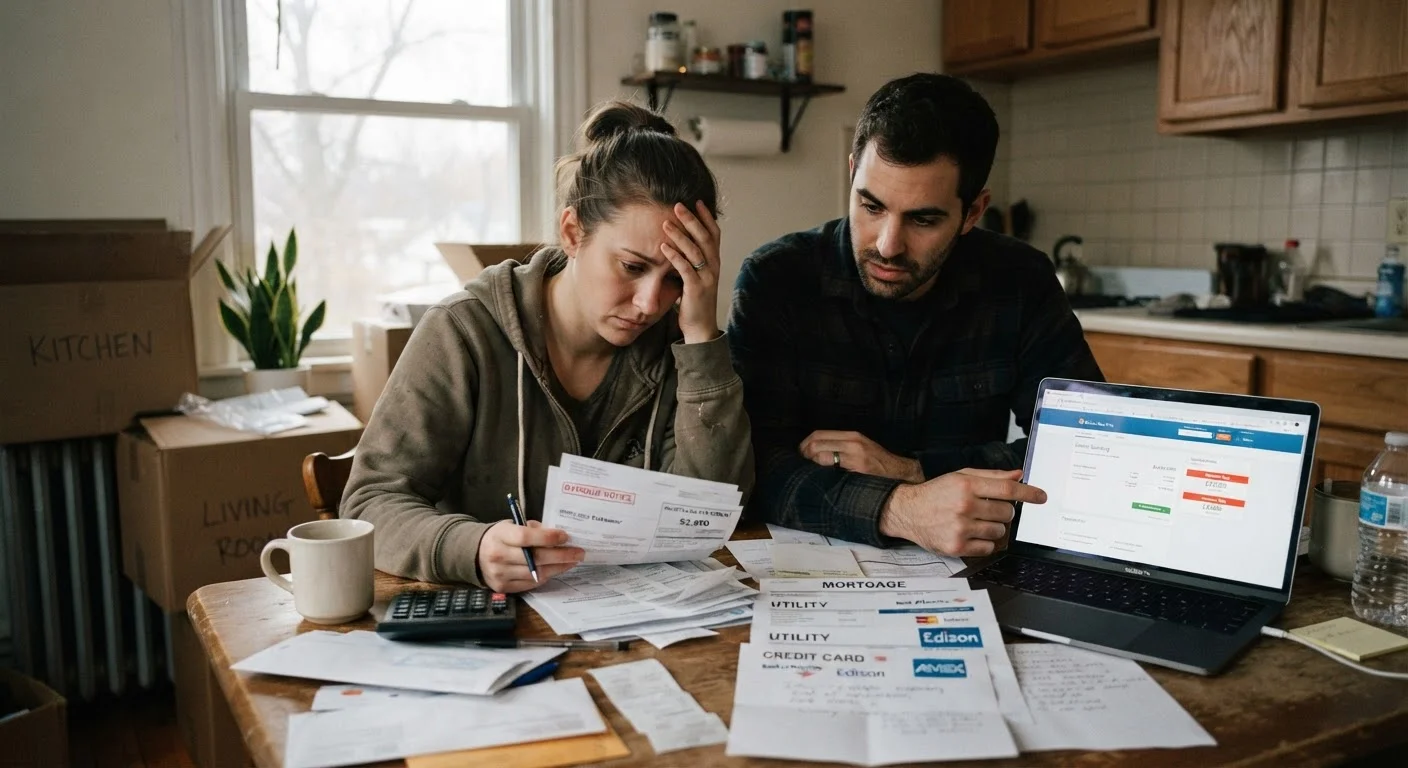
Why the First Two Years Are the Riskiest Financially
Buying a home transfers a long list of financial responsibilities that landlords previously absorbed. New owners often discover this not in a single dramatic moment, but through a steady accumulation of costs that weren't part of their mental budget. The first two years are particularly vulnerable because buyers are still calibrating — learning what the home actually costs to run, what systems are aging, and how local tax and insurance markets behave.
Understanding where these traps tend to appear is the most effective form of prevention. The mistakes below represent the most common patterns that leave first-time owners financially stretched well before the two-year mark. For broader guidance on navigating the purchase itself, see the Buying a Home hub.
Assuming the mortgage payment is the full cost of ownership.
Why it happens: During the buying process, buyers fixate on qualifying for the loan and meeting the monthly payment. Costs like maintenance, utilities, and insurance adjustments often feel abstract until they arrive.
Being unprepared for property tax and insurance escrow adjustments.
Why it happens: Lenders estimate escrow payments at closing, but property assessments and insurance premiums can rise — sometimes significantly — in year two, causing a shortfall that results in a higher monthly payment.
Underestimating utility costs in a larger or older space.
Why it happens: Renters often had utilities included or paid for a smaller unit. A detached home with older systems, poor insulation, or a large yard introduces heating, cooling, water, and trash costs that can be double or triple what renters paid.
Deferring small maintenance issues until they become expensive repairs.
Why it happens: New owners are often stretched thin financially after closing and delay minor fixes — a slow drain, a cracked caulk line, a dripping faucet — treating them as cosmetic or low priority.
Ignoring HOA rules, fees, and the risk of special assessments.
Why it happens: Buyers often review HOA documents only superficially before closing, missing provisions for rising monthly dues or one-time special assessments levied when shared infrastructure needs repair.
Maxing out savings at closing with no reserves left for the unexpected.
Why it happens: Down payment, closing costs, moving expenses, and immediate purchases like furniture or appliances can drain savings accounts entirely. Many first-time buyers enter their new home with little financial cushion.
How to Build a Realistic First-Year Budget
A reliable ownership budget accounts for more than the mortgage. A workable framework starts with your fixed monthly obligations — principal, interest, taxes, and insurance (commonly called PITI) — and adds a maintenance reserve, a utility estimate based on actual prior bills, and any HOA dues. From there, build a separate emergency line item, distinct from general savings.
Build a Dedicated Home Emergency Fund
Financial planners commonly recommend setting aside 1% to 2% of your home's purchase price each year for maintenance and repairs. For a $350,000 home, that means $3,500 to $7,000 annually — separate from your regular savings. Without this cushion, a single unexpected repair like a failed water heater or roof leak can derail your household budget entirely.
Tracking monthly spending against these categories in a simple spreadsheet or budgeting app can surface drift early — before a deficit becomes a crisis. The Budgeting Basics hub offers practical frameworks for structuring a household spending plan that holds up over time.
This article provides general financial information for educational purposes only and does not constitute personalized financial or legal advice. Consult a qualified financial professional regarding decisions specific to your situation.
The content on this site is for informational purposes only and is not a substitute for professional advice. Always consult a qualified professional for guidance specific to your situation.