

Summary
18 items · 10–20 minutes
Why Dogs Bite Without Warning — Or So It Seems
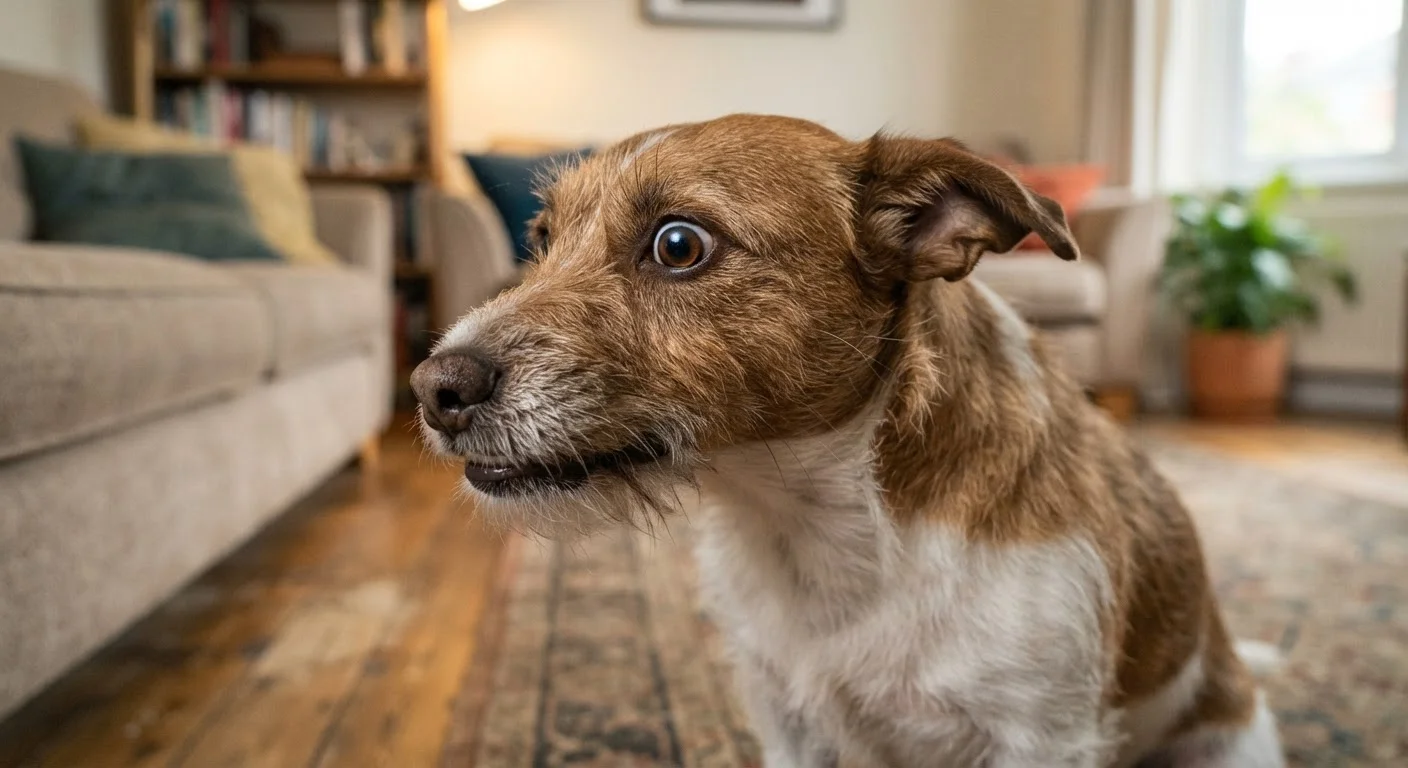
When someone says a dog "bit without warning," what usually happened is that the warning signs were there — they just weren't recognized in time. Dogs communicate stress through a layered set of signals, many of them quiet and easy to dismiss as normal behavior. A yawn before a bite doesn't look like aggression. Neither does a dog turning its head away or suddenly sniffing the ground.
These behaviors are part of what animal behaviorists call calming signals — communications a dog uses to de-escalate tension. When those signals are repeatedly ignored, stress builds. The dog exhausts its softer options and escalates: stiffening, growling, snapping, or biting.
Understanding how to read those earlier signals is one of the most practical things an owner can do to prevent bites and build a better relationship with their dog. It's also relevant context when thinking about other anxiety-related behaviors — for instance, the difference between separation anxiety and boredom often shows up in similar body language that owners misread.
Never Punish a Dog for Growling
Growling is a warning, not a misbehavior. Punishing it — through scolding, physical correction, or aversive tools — teaches the dog to suppress the warning without reducing the underlying stress. A dog that has learned not to growl is more dangerous, not better behaved, because it has fewer steps between discomfort and a bite.
Use this checklist in real situations — during greetings, vet visits, introductions to new people or animals, and any moment your dog seems uncomfortable. The goal is observation, not diagnosis.
The Stress Signal Checklist: What to Watch For
Work through these grouped signals systematically. No single signal means a bite is imminent, but clusters of signals — especially when they intensify — are a clear call to reduce pressure on the dog immediately.
Early Appeasement Signals
Displacement Behaviors
Body Posture and Movement
Facial and Eye Signals
Escalating Signals Need Professional Attention
If your dog has progressed to growling, snapping, or biting — even once — treat it as a serious event requiring professional evaluation, not a one-off to wait out. Stress that reaches this level doesn't typically resolve on its own. A veterinarian can also rule out pain or illness as contributing factors, since physical discomfort is a commonly overlooked driver of sudden behavioral change.
After reviewing the full checklist, consult a certified veterinary behaviorist or a credentialed professional trainer (look for credentials such as CPDT-KA or IAABC) if your dog is showing repeated or escalating stress signals. Stress that reaches the growling or snapping stage often has underlying causes — including pain that's easy to miss — that benefit from professional assessment.
Tools That Help You Read the Room
You don't need equipment to read a dog's body language, but a few resources make it much easier to practice and apply what you've learned.
Video recording device (smartphone)
Record your dog in common situations — greetings, vet waiting rooms, playtime — so you can review footage and spot signals you missed in the moment.
Illustrated canine body language reference chart
A visual guide (available from veterinary schools and animal behavior organizations) helps you match what you observe to documented signal categories.
Behavior journal or notebook
Track when, where, and what triggered stress signals so you can identify patterns and share them with a veterinarian or trainer.
Certified professional trainer or veterinary behaviorist
A credentialed professional can observe your dog in real time and give personalized guidance that no checklist can replicate.
What to Do When You Spot These Signals
Recognition is only half the equation. When you notice stress signals escalating, the priority is to reduce pressure immediately — not to correct the dog. Move calmly away, ask the person interacting with the dog to stop, give the dog space to exit the situation, and avoid direct eye contact or looming posture until the dog visibly settles.
Never punish a growl. Growling is communication — it's a dog's way of saying "I am at my limit." Suppressing it through punishment removes that warning without addressing the stress underneath. The result is a dog that skips growling and goes straight to biting. This connects directly to the nuances covered in fear versus aggression in dogs, where the underlying emotional state — not just the outward behavior — shapes the right response.
If a dog is repeatedly showing stress in situations that should feel routine — greeting guests, being touched, interacting with children — that pattern warrants a conversation with a veterinarian. Chronic stress can have physical as well as behavioral consequences, and some dogs benefit from a combined behavioral and medical approach. The broader picture of anxiety in dogs and how vets approach it is a useful complement to the signal-reading skills this checklist builds.
This article is for general educational purposes only and is not a substitute for professional veterinary or behavioral advice. If your dog has bitten or shown escalating aggression, consult a licensed veterinary behaviorist or qualified professional trainer.
The content on this site is for informational purposes only and is not a substitute for professional advice. Always consult a qualified professional for guidance specific to your situation.