

Why Feeding Habits Are Hard to See Clearly
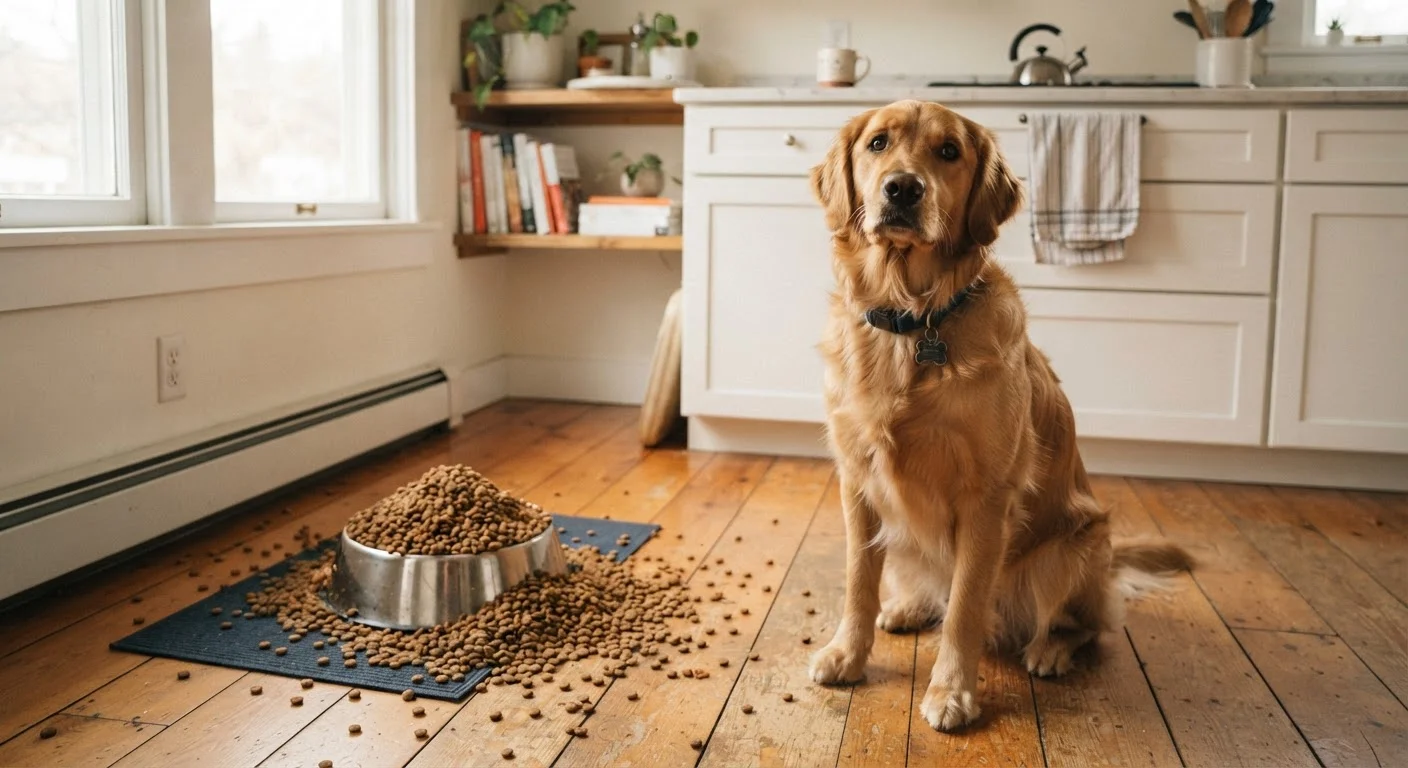
Most feeding problems don't start with a dramatic decision — they start with a slightly generous scoop, a treat slipped during TV time, or a bowl that never quite empties. These small, repeated behaviors accumulate in ways that are easy to miss until a veterinarian points to the scale and raises an eyebrow.
Part of what makes these habits so persistent is that they're tied to care and routine. Feeding your pet feels loving, and their obvious enthusiasm for food makes it easy to rationalize a little extra. The result is that many well-intentioned owners are quietly overfeeding without realizing it.
Understanding where these habits come from — and what to do instead — is the foundation of confident, everyday pet ownership. The fixes are rarely dramatic; they're mostly about building in a bit more awareness around decisions that have become automatic.
~60%
U.S. cats and dogs classified as overweight or obese
The Association for Pet Obesity Prevention has consistently found that a majority of American pets carry excess weight, based on annual veterinary surveys.
10%
Recommended daily treat calorie limit
Veterinary nutritionists widely cite this threshold as the upper bound for treats as a share of total daily caloric intake to prevent unintended weight gain.
The Most Common Feeding Mistakes — and How to Correct Them
The errors below show up repeatedly in veterinary consultations. They span different feeding styles and pet types, but share one thing in common: they're all correctable once you know what to look for.
Eyeballing portion sizes instead of measuring.
Why it happens: After months of feeding the same food, scooping by feel becomes second nature. The problem is that a slightly heaped cup can add meaningful calories every single day.
Ignoring the calorie count of treats.
Why it happens: Treats feel separate from meals, so they rarely get counted. But a medium-sized dog receiving several high-calorie treats daily can easily be consuming an extra 20–30% above their intended intake.
Treating the food label's feeding guide as a precise, one-size-fits-all rule.
Why it happens: Labels are required to display feeding amounts, and owners reasonably assume those numbers are calibrated to their specific pet. In reality, they're broad estimates based on average animals.
Free feeding without monitoring intake.
Why it happens: Leaving food out all day is convenient, and many owners assume a pet will naturally self-regulate. Some do — but many cats and dogs, particularly those in multi-pet households, will overeat consistently.
Failing to adjust portions when a pet's life stage or activity level changes.
Why it happens: Once a feeding routine is set, it tends to stay fixed — even after a pet is spayed or neutered, becomes less active with age, or transitions from puppy to adult food.
Using food as a primary source of comfort or affection.
Why it happens: Feeding feels loving, and a pet's enthusiasm for food reinforces the behavior. Over time, extra snacks become a habitual response to begging, boredom, or the owner's own stress.
Obesity Has Real Health Consequences
Excess weight in pets is linked to joint disease, diabetes, heart problems, and a shortened lifespan. Because weight gain is gradual, many owners don't recognize it until a veterinarian flags it. If you're unsure whether your pet is at a healthy weight, ask your vet to assess their body condition score at the next visit.
If you're concerned about what you're actually feeding your pet beyond portions — ingredients, additives, nutritional adequacy — common misconceptions about what pets can safely eat is a useful companion read. For a broader look at pet health fundamentals, our hub covers the full range of preventive care topics.
Building a More Consistent Feeding Routine
Consistency matters in pet feeding for reasons beyond weight management. A predictable schedule makes it much easier to notice when your pet's appetite changes — which can be one of the earliest signs that something is medically wrong. A pet who normally clears the bowl in minutes but suddenly loses interest is giving you useful information.
Don't Switch Foods Abruptly
Changing your pet's food suddenly — even to a higher-quality option — can cause digestive upset including vomiting and diarrhea. Veterinarians generally recommend transitioning over seven to ten days by gradually mixing in the new food with the old. If your pet shows persistent digestive issues during or after a food change, consult your veterinarian.
Practically speaking, a solid routine involves measuring portions, feeding at set times where feasible, and doing a quick body condition check every few weeks — running your hands along your pet's sides to feel for appropriate rib coverage. It doesn't require perfection. It requires enough consistency that deviations are noticeable.
If you're navigating a multi-pet household where food competition adds complexity, behavioral dynamics around feeding in multi-pet homes is worth reviewing alongside any routine adjustments you make.
This article is for general informational purposes only and does not constitute veterinary or medical advice. Always consult a licensed veterinarian for guidance specific to your pet's health and nutritional needs.
The content on this site is for informational purposes only and is not a substitute for professional advice. Always consult a qualified professional for guidance specific to your situation.