

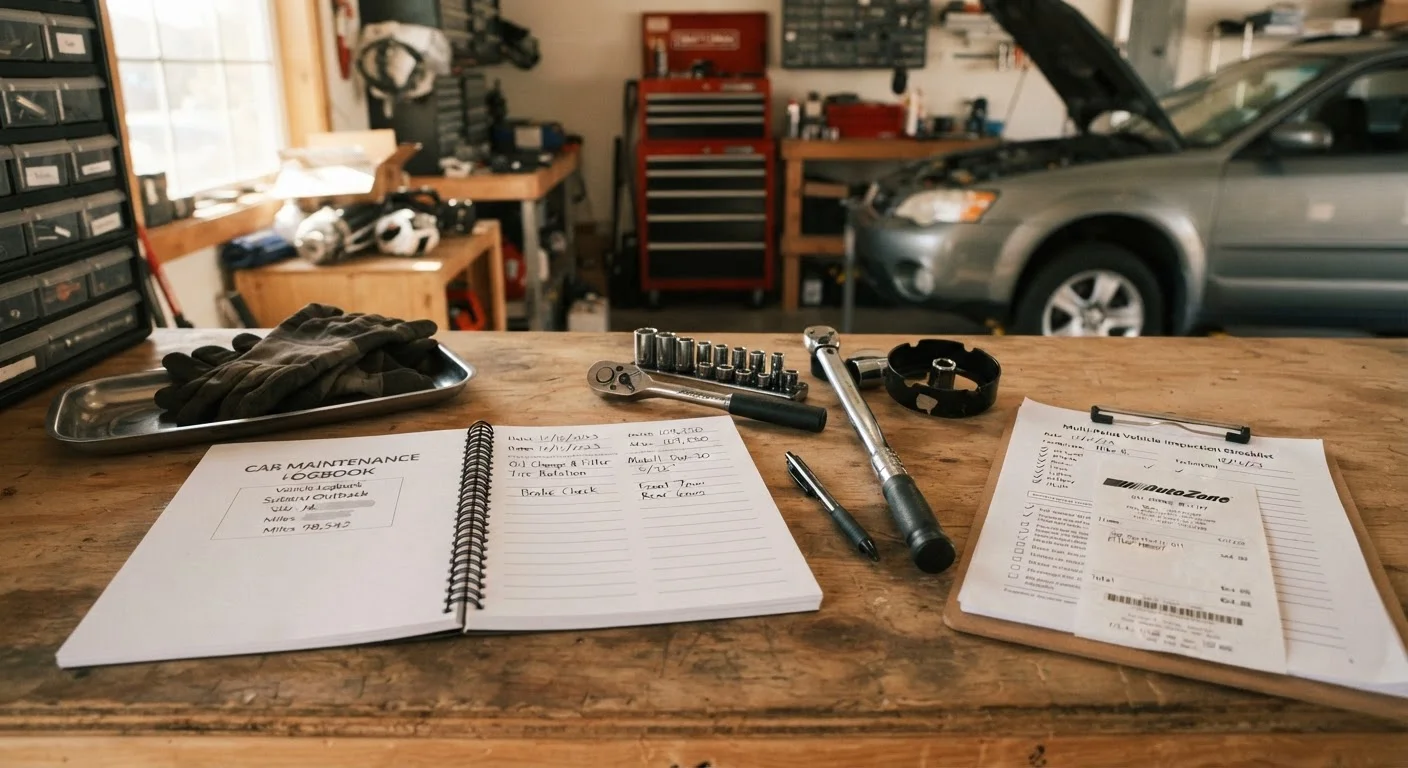
Why a Maintenance Log Is Worth the Effort
Most car owners keep their receipts in a glove compartment until the pile gets unmanageable, then throw them away. That habit quietly costs money. A proper maintenance log - whether a physical notebook, a spreadsheet, or a dedicated app - turns scattered paperwork into a documented history that works in your favor at the mechanic's shop, at resale time, and when navigating an insurance claim.
When you go to sell a vehicle, a buyer can see gaps in a vehicle history report but they can't see the full service picture unless you show them. A personal log fills that gap with specifics no third-party database can provide: who changed the timing belt, which brand of coolant was used, and how many miles were on the car when the brakes were last replaced. That level of detail builds buyer confidence and often supports a stronger asking price.
Mechanics also benefit directly. Knowing what was recently replaced - and what hasn't been touched - removes guesswork and lets a technician focus on likely culprits rather than checking everything from scratch.
“The single most useful document a used car can come with is a complete, consistent maintenance history. It tells you more about how the car was treated than any visual inspection can.”
— Consumer automotive industry consensus, Widely held view among independent vehicle appraisers and mechanics
What to Record in Every Entry
Each log entry doesn't need to be lengthy, but it should consistently capture the same core fields:
- Date of service
- Odometer reading at time of service
- Service or repair performed (be specific - "oil change" is better than "maintenance")
- Parts replaced, including brand or part number when available
- Shop name or mechanic who performed the work (or "self" if you did it)
- Cost of parts and labor
- Next service due - mileage or date, whichever comes first
If your vehicle was diagnosed but no repair was done, log that too. A note reading "checked transmission fluid - no action needed" tells a future mechanic something useful. The VIN should appear on the first page of any physical log for quick reference when ordering parts or verifying recall history.
Use Mileage, Not Just Dates
For most maintenance items, intervals are defined by miles driven, not calendar time. Always record the odometer reading alongside the date - it makes it far easier to spot what's coming due and to verify service history at a glance. A date alone tells you when something happened; the mileage tells you how hard the car was working between services.
Best Practices for Keeping Your Log Accurate and Useful
The biggest obstacle to a useful maintenance log isn't knowing what to record - it's recording consistently. These practices help make logging a natural part of vehicle ownership rather than an afterthought.
Log every service immediately after it's completed, not days later from memory.
Delayed entries lead to missing details - wrong mileage, forgotten parts, or vague descriptions. Accuracy fades quickly, and an inaccurate log is almost as unhelpful as no log at all.
Attach or photograph receipts and link them to each log entry.
Receipts confirm what was actually installed, prove the service happened, and provide part numbers you may need for future work or warranty claims.
Record upcoming service intervals, not just what was just done.
Maintenance is easier to stay on top of when the next due date or mileage is already written down. Without a forward-looking entry, it's easy to miss intervals that are measured in months rather than immediate symptoms.
Document any symptoms or unusual behavior, even if no repair was made.
Intermittent noises, warning lights that cleared, or handling changes that came and went are diagnostically useful. A pattern across multiple entries can point a mechanic directly to the cause.
Review your log before every shop visit and bring a printed or digital copy.
Mechanics can make faster, better decisions when they know what's been done - especially for complex repairs that build on prior work. A shop won't always have your previous records on file, especially if you've switched providers.
Adapting your log to reflect seasonal needs is also worthwhile. Before winter or summer, a quick review of what's been done and what's due can prevent avoidable failures. Our guide on seasonal car prep covers which systems to focus on as temperatures shift.
Getting Started Today
You don't need a perfect system to begin - you need a starting point. Pull together whatever receipts and records you have, and create a single entry summarizing your vehicle's current known state: most recent oil change, tire rotation, brake service, and anything else you can verify. That baseline is more valuable than nothing, even if it's incomplete.
Once your log is established, it becomes an asset that follows the car. If you ever sell, that documented history can be one of the most persuasive details in your listing. For perspective on what buyers look for, see our overview of what details matter in a used car listing.
This article provides general information for educational purposes only. For advice specific to your vehicle, consult a qualified mechanic or automotive professional.
The content on this site is for informational purposes only and is not a substitute for professional advice. Always consult a qualified professional for guidance specific to your situation.