

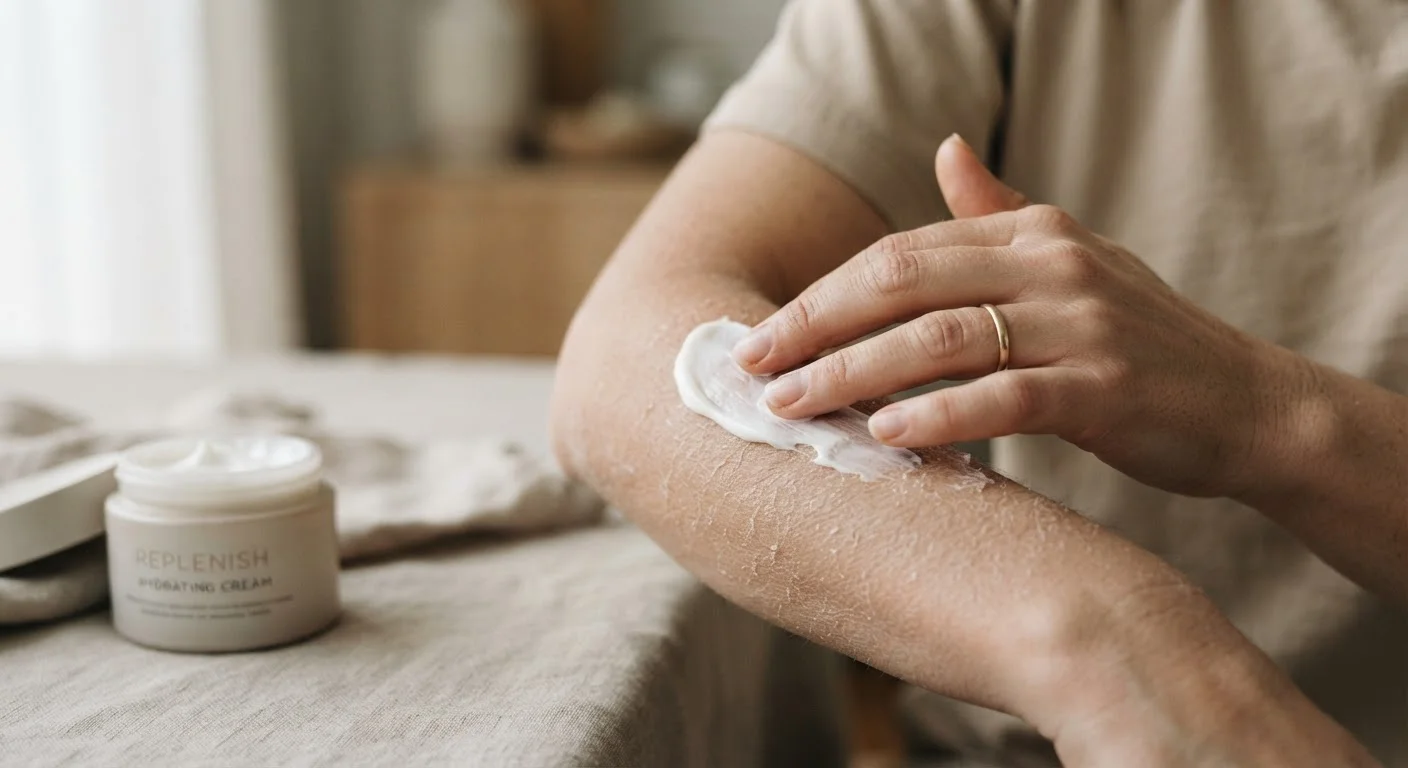
Why Dry Skin Myths Are So Hard to Shake
Dry skin is one of the most common skin concerns in the United States, yet it's also one of the most misunderstood. Part of the problem is that many widely shared beliefs feel intuitive - drink more water, use a richer cream, avoid everything that dries you out. These ideas circulate constantly across social media, beauty aisles, and well-meaning advice, which makes them difficult to question even when they fall short in practice.
The skin's barrier function - its ability to retain water and block irritants - is central to understanding why dry skin develops and how to address it effectively. When that barrier is compromised, no amount of water consumption or thick cream applied on top of a damaged surface will fully compensate. Understanding the actual mechanism helps you make choices that work with your skin rather than around it.
If you've ever wondered whether you're even identifying your skin type correctly, our guide on how to identify your skin type accurately is a useful starting point before building any routine.
Myth
Drinking more water will hydrate your skin and fix dryness.
Fact
Skin hydration is primarily determined by barrier integrity, not internal water intake.
Unless you are clinically dehydrated, increasing water consumption does not meaningfully raise skin moisture levels. The outermost layer of skin, the stratum corneum, retains water through its lipid structure and natural moisturizing factors. When this barrier is damaged - by harsh cleansers, environmental exposure, or genetic factors - water escapes regardless of how much you drink. Repairing the barrier with appropriate emollients and occlusives is far more effective than hydration from within for this purpose.
Myth
Hot showers are fine for dry skin as long as you moisturize afterward.
Fact
Hot water actively strips the skin's lipid barrier, and moisturizing after doesn't fully undo that damage.
Prolonged exposure to hot water dissolves the naturally occurring oils and ceramides that hold the skin barrier together. Even applying moisturizer immediately afterward cannot fully restore what has been removed. Lukewarm water and shorter shower duration are consistently recommended by dermatologists for people with dry or sensitive skin. If hot showers are a daily habit, the cumulative barrier disruption compounds over time, making other treatments less effective.
Myth
If your skin looks oily, it can't be dry.
Fact
Oily appearance reflects sebum production, which is independent of the skin's water content.
Sebum - the waxy substance produced by sebaceous glands - and skin hydration are controlled by separate mechanisms. It's entirely possible to have skin that overproduces oil in response to barrier disruption while still lacking adequate moisture in the stratum corneum. This pattern is sometimes called dehydrated skin and is common in people who use harsh, stripping cleansers. Treating it with oil-control products alone often worsens the underlying dryness.
Myth
Thicker, heavier creams always work better for dry skin.
Fact
Texture is not a reliable indicator of effectiveness - ingredient composition and application timing matter more.
A lightweight lotion containing the right combination of humectants, emollients, and occlusives can outperform a heavy cream that lacks the same profile. The critical variable is applying any moisturizer to slightly damp skin shortly after cleansing, which traps water in the skin rather than simply sitting on its surface. Judging a product by its thickness alone often leads people to over-rely on occlusive-heavy formulas that feel substantial but don't address barrier repair.
Myth
You only need to moisturize when your skin feels tight or flaky.
Fact
Consistent, preventative moisturizing maintains barrier function better than reactive application.
Tightness and flaking are signs that the barrier has already been compromised. By that point, the skin has lost a measurable amount of water and structural integrity. Applying moisturizer consistently - even when skin feels acceptable - helps sustain the lipid layer before it breaks down. Think of it less as treatment and more as maintenance: the same logic that applies to brushing teeth rather than only reacting to pain.
Building a Routine That Reflects the Evidence
Once you move past these misconceptions, a clearer picture of effective dry skin care emerges. Short, lukewarm showers followed by immediate moisturizer application on damp skin - within a few minutes of patting dry - consistently outperforms heavier products applied to dry skin hours later. The ingredients doing the real work include humectants like glycerin and hyaluronic acid (which draw moisture in), emollients like ceramides and fatty acids (which soften and smooth), and occlusives like petrolatum (which seal moisture in place).
It's also worth knowing that if your moisturizer seems less effective over time, the issue is rarely product failure - our article on why your body lotion stops working after a few weeks explains the likely causes. And for a deeper look at how ingredients are often misrepresented in beauty marketing, myths about skincare ingredients offers a research-grounded breakdown.
When Dry Skin May Signal Something More
Persistent dry skin that does not respond to consistent moisturizing, or that is accompanied by intense itching, redness, or cracking, may indicate an underlying condition such as eczema, psoriasis, or a thyroid issue. These conditions require evaluation by a healthcare provider rather than over-the-counter skincare alone. Do not attempt to self-diagnose or self-treat based on symptom descriptions online.
This article is for general informational purposes only and is not a substitute for professional medical or dermatological advice. If you experience persistent, severe, or worsening dry skin, consult a qualified healthcare provider.
The content on this site is for informational purposes only and is not a substitute for professional advice. Always consult a qualified professional for guidance specific to your situation.