

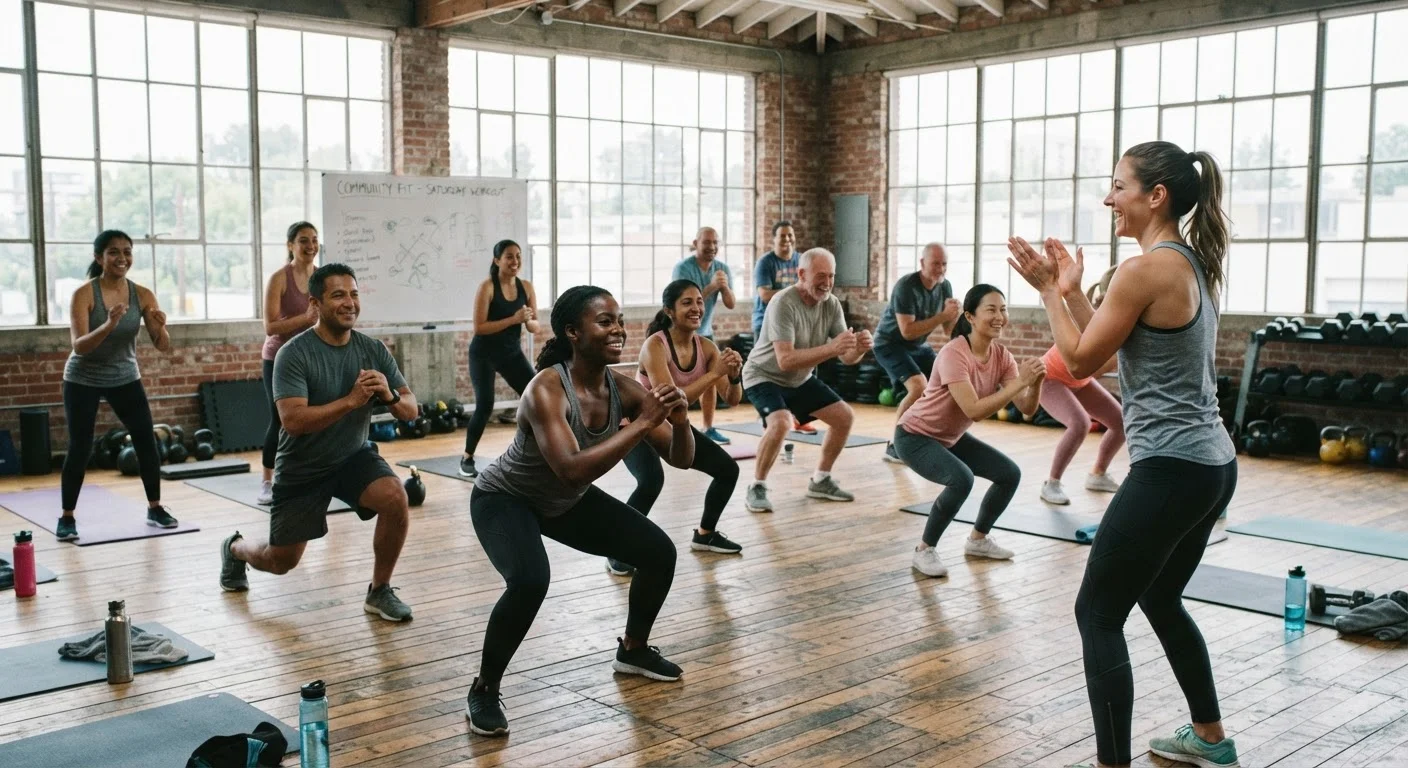
What Makes a Movement "Functional"?
Not all exercise is created equal when it comes to real-world utility. A bicep curl on a machine develops one muscle in one plane of motion - but hauling laundry up the stairs requires your core, back, arms, and legs to coordinate under load. That coordination is what functional fitness trains.
Functional exercises are built around fundamental movement patterns that humans rely on daily: squatting (sitting down and standing up), hinging (bending to pick something up), pushing and pulling (moving objects or yourself), and carrying (transporting loads). Training these patterns improves not just strength but also balance, stability, and body awareness.
This approach contrasts with machine-based isolation training, which can build muscle but may not translate as directly to the demands of daily movement. Functional fitness aims to bridge the gap between the gym and real life.
27%
Reduction in fall risk from balance and strength training
A review published in the British Journal of Sports Medicine found that exercise programs targeting balance and functional strength reduced fall rates in older adults by approximately 23-27%.
2 days/week
Minimum muscle-strengthening activity recommended for adults
The U.S. Department of Health and Human Services' Physical Activity Guidelines for Americans recommend adults engage in muscle-strengthening activities on at least two days per week.
Who Benefits from Functional Fitness?
The short answer: nearly everyone. Functional fitness is particularly valuable for:
- Older adults looking to maintain independence and reduce fall risk
- Beginners who want a practical, accessible entry point to exercise
- Busy people who need efficient workouts that deliver broad benefits
- Anyone recovering from inactivity or managing minor physical limitations
Because most functional exercises can be performed with bodyweight and adjusted in difficulty, they're inherently scalable. A 65-year-old working on hip strength and a 35-year-old training for a hiking trip may follow similar patterns at different intensities.
Start With Movement Quality, Not Quantity
When beginning functional fitness, prioritize performing each movement correctly before adding repetitions or load. Poor form during foundational patterns like squats or hinges can cause unnecessary strain. A session with a certified fitness professional to review your form is worthwhile, especially if you're new to structured exercise.
If you have a chronic condition, are recovering from injury, or are significantly increasing your activity level, consult a qualified healthcare professional before starting. You might also find it helpful to work through a readiness checklist first.
Core Functional Movements and How to Start
You don't need a personal trainer or expensive equipment to begin. These foundational movements cover most of what functional fitness involves:
- Squat
- Sit back and down as if lowering into a chair, keeping your chest tall. Builds leg and core strength for sitting, standing, and climbing stairs.
- Hip Hinge
- Push your hips back while keeping your spine neutral - the foundation for safely picking things up from the floor.
- Pushing (Push-Up or Wall Push)
- Trains the chest, shoulders, and triceps for pushing open doors, getting up from the floor, or lifting overhead.
- Pulling (Resistance Band Row)
- Counters the forward-rounded posture many people develop from sitting and supports back health.
- Farmer's Carry
- Walk while holding a weight in each hand - a straightforward proxy for carrying groceries or luggage.
Pairing functional training with insights from cardio and strength training can round out a well-balanced routine. If you're tracking your progress, our guide to fitness tracking metrics explains what the numbers actually mean.
Making Functional Fitness a Lasting Habit
Like any exercise approach, functional fitness only delivers results when practiced consistently. A few principles that support long-term adherence:
- Anchor workouts to existing routines - pair a set of squats with your morning coffee or lunges while watching television
- Progress gradually - add resistance or repetitions only when movements feel stable and controlled
- Track simply - note what you did and how it felt; even basic records support motivation
If scheduling is a barrier, building a flexible weekly movement routine offers practical strategies for fitting exercise into an unpredictable schedule. For those curious about wearable support, fitness trackers can help you stay accountable without requiring a formal gym commitment.
This article is for general informational and educational purposes only and does not constitute medical or professional fitness advice. Consult a qualified healthcare provider before beginning any new exercise program, especially if you have existing health conditions or physical limitations.
Frequently Asked Questions
Traditional strength training often targets isolated muscle groups using machines or weights. Functional fitness emphasizes compound movements that engage multiple muscles simultaneously, mirroring how your body moves in real life. Both have value and can complement each other effectively.
Yes. Most functional fitness exercises use bodyweight and can be modified to any fitness level. Beginners benefit from starting with basic movement patterns like squats, hinges, and carries before adding resistance. Consider reviewing a <a href="/health-wellness/fitness-movement/before-you-ramp-up-your-exercise-routine-a-readiness-checklist">readiness checklist</a> before increasing intensity.
Functional fitness is widely recommended for older adults because it directly supports activities like rising from a chair, carrying groceries, and maintaining balance. Research consistently links functional strength training to better fall prevention and independence in older populations. Always consult a healthcare provider before starting a new exercise program.
Most general guidance from public health organizations suggests adults aim for at least two days of muscle-strengthening activity per week. Functional exercises can fulfill that goal. The right frequency for you depends on your current fitness level and any health conditions - a qualified fitness professional can help personalize a plan.
No special equipment is required. Many effective functional movements rely solely on bodyweight, including squats, lunges, push-ups, and step-ups. Resistance bands, kettlebells, and dumbbells can add variety but are optional.
The content on this site is for informational purposes only and is not a substitute for professional advice. Always consult a qualified professional for guidance specific to your situation.