

What a Standard Home Inspection Covers
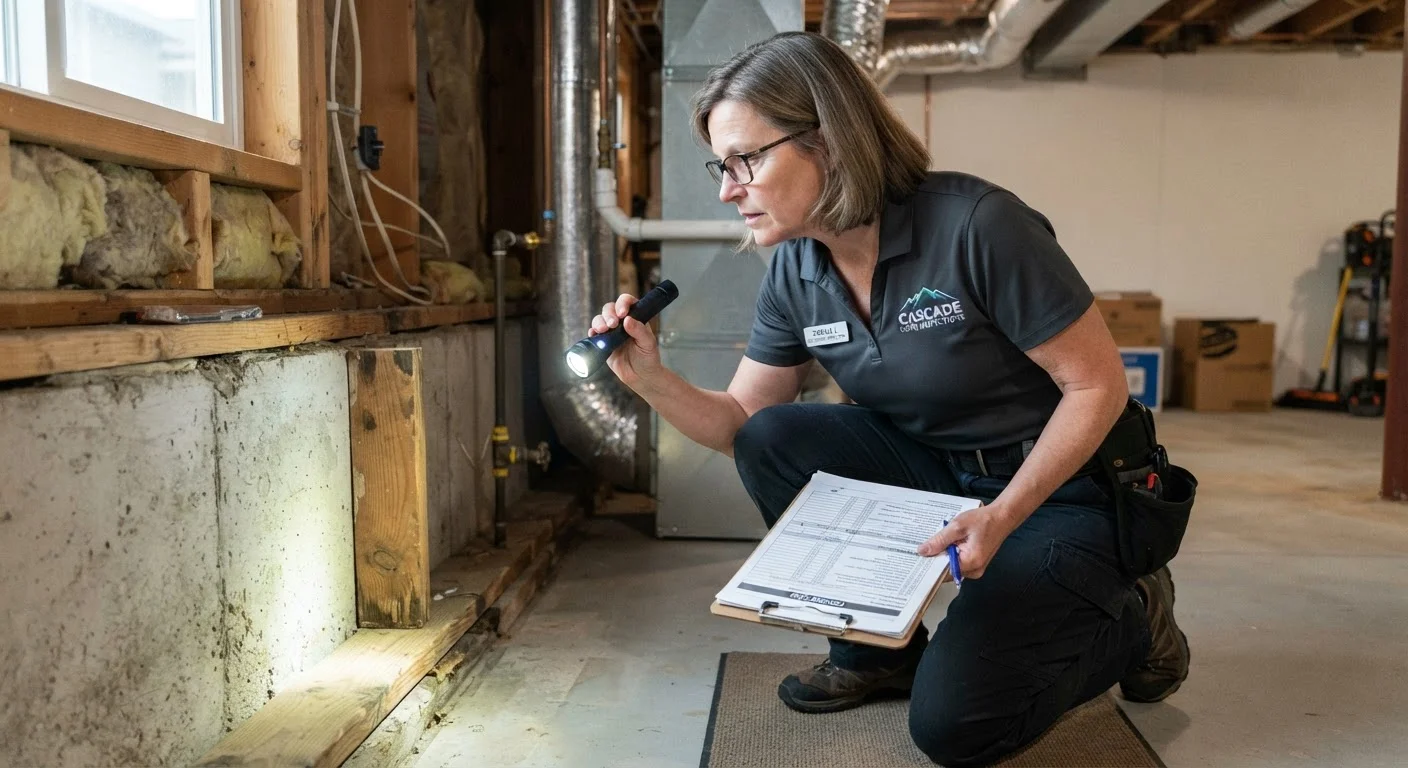
A licensed home inspector conducts a visual, non-invasive examination of the property's accessible systems and structural components. The goal is to identify existing material defects - not to predict the future or serve as a warranty.
Most inspectors follow standards published by professional organizations such as the American Society of Home Inspectors (ASHI) or InterNACHI. Under those standards, an inspection typically covers:
- Structural components: Foundation, framing, and load-bearing walls - visually assessed for signs of settling, cracking, or damage
- Roof: Condition of shingles, flashing, gutters, and visible roof penetrations
- Electrical system: Service panel, visible wiring, outlets, and GFCI protection in wet areas
- Plumbing: Water pressure, drain function, water heater condition, and visible supply and drain lines
- HVAC: Heating and cooling equipment operation, filters, and accessible ductwork
- Insulation and ventilation: Attic insulation levels and ventilation adequacy
- Windows and doors: Operation, seals, and visible damage
- Exterior: Siding, grading, driveways, walkways, and attached decks or porches
Inspectors document findings in a written report, often with photographs. Understanding that report clearly is critical - findings are commonly categorized by severity, not by repair cost. Once you have the report in hand, knowing what's reasonable to negotiate can help you prioritize your response to the seller.
What Falls Outside the Inspector's Scope
Buyers are often surprised to discover that a standard inspection deliberately excludes certain systems and conditions. This isn't negligence - it reflects the visual, non-destructive nature of the inspection and the specialized expertise some systems require.
Material defect
A condition that significantly affects the value, habitability, or safety of the property. Home inspectors are generally required to identify and report material defects.
Non-invasive inspection
An inspection method that examines only what is visible and accessible without opening walls, removing flooring, or using destructive techniques.
GFCI
Ground Fault Circuit Interrupter - a safety device required by code in wet areas such as kitchens, bathrooms, and garages to reduce the risk of electrical shock.
Wood-destroying organism (WDO)
Any organism - including termites, carpenter ants, and wood-boring beetles - that can structurally damage wood components of a home. WDO inspections are separate from general inspections.
Lateral sewer line
The underground pipe connecting a home's internal plumbing to the public sewer main. It is not visible during a standard inspection and requires a camera scope for evaluation.
Commonly excluded items include:
- Radon: Colorless, odorless gas that requires a separate test with specialized equipment
- Mold and air quality: Inspectors may flag visible moisture damage, but mold testing requires laboratory sampling
- Sewer lines: Underground lateral lines from the home to the municipal connection are not visually accessible - a camera inspection is a separate service
- Wood-destroying organisms (WDO): Termite and pest inspections are conducted by licensed pest-control professionals, not general inspectors
- Asbestos and lead paint: Common in homes built before 1978 and 1980, respectively; identification requires certified testing
- Underground oil tanks: Buried fuel tanks require specialized scanning and may carry significant remediation liability
- Chimney interiors: A general inspector may note visible concerns, but a full flue inspection requires a chimney specialist
- Swimming pools and hot tubs: Usually excluded unless the inspector holds specific pool certification
- Behind finished walls or under flooring: Inspectors cannot open walls or remove flooring to examine what's hidden
This distinction matters when evaluating your offer's protections. Pairing your inspection contingency with the right additional tests is a core part of understanding what contingencies actually protect you from.
Inspectors Report, Not Repair
A home inspector's job is to document conditions objectively - not to determine repair costs, predict life expectancy of every component, or tell you whether to buy. Repair estimates should come from licensed contractors after the inspection. Treat the inspector's report as a diagnostic tool, not a verdict on the home.
When to Order Specialty Inspections
Standard inspections are a starting point, not a comprehensive investigation. Depending on the property's age, location, and characteristics, additional inspections are often worth the cost.
- Radon testing is advisable in much of the United States, particularly in the Midwest and Mid-Atlantic, where elevated levels are common.
- Sewer scope is especially important in homes built before 1980, where clay or cast-iron lines are susceptible to root intrusion and collapse.
- Termite/WDO inspection is required by many lenders in certain regions and is a practical precaution in warm, humid climates nationwide.
- Chimney inspection (Level II) is recommended if the home has a wood-burning fireplace, especially if it hasn't been used recently.
- Well and septic testing is essential for properties on private water and sewer systems - and often required by lenders.
Specialty inspections typically add $100-$400 each, depending on your market and the service. Consider them essential due diligence for older properties or homes with notable features. As a homeowner, it's also wise to revisit these considerations annually - an annual home financial and maintenance review can help you stay ahead of emerging issues long after closing.
This article is for general informational purposes only and does not constitute professional home inspection, legal, or financial advice. Inspection standards and licensing requirements vary by state. Always hire a licensed inspector and consult qualified professionals for guidance specific to your property and circumstances.
The content on this site is for informational purposes only and is not a substitute for professional advice. Always consult a qualified professional for guidance specific to your situation.