

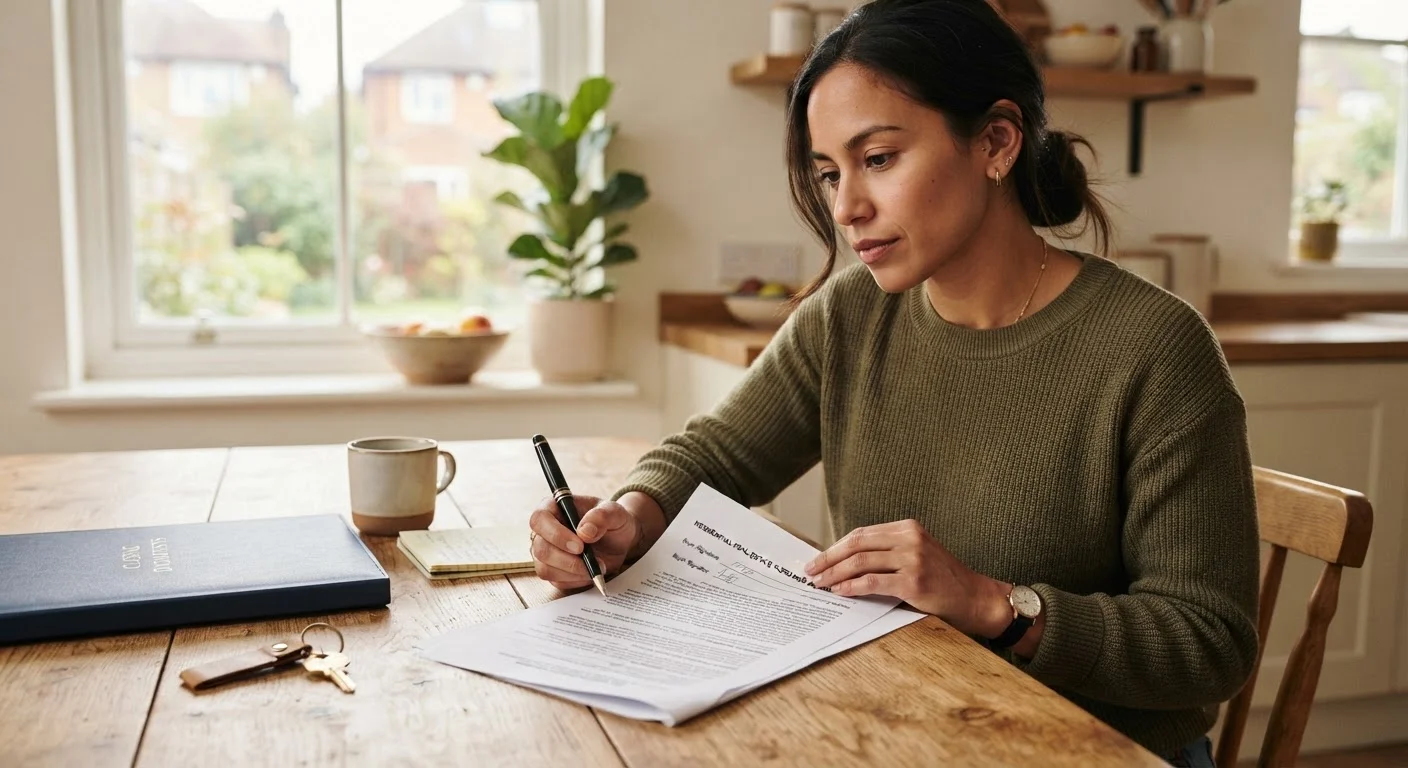
What Contingencies Actually Do
When you make an offer on a home, the purchase agreement is a legally binding contract - but contingencies build in specific off-ramps. Each one defines a condition that must be satisfied for the sale to close. If the condition isn't met within the agreed timeframe, the buyer can typically exit the contract without losing their deposit.
Think of contingencies as checkpoints: they give buyers the time and legal standing to verify that what they're buying matches what was represented - and that they can actually afford to buy it. Without them, backing out almost always means forfeiting your earnest money deposit, which can run into the tens of thousands of dollars.
Before signing any purchase agreement, it's worth reviewing a thorough buyer's checklist to confirm your contingencies are in place and properly worded.
The Three Core Contingencies Every Buyer Should Know
1. Inspection Contingency
An inspection contingency gives the buyer the right to have the property professionally inspected - and to negotiate repairs, request a price reduction, or walk away if the findings are unacceptable. It's one of the most important protections in any transaction.
A standard home inspection covers structural components, roofing, electrical, plumbing, HVAC, and more - but it doesn't catch everything. Specialty inspections (mold, radon, sewer scope) are often separate. If problems surface, the contingency creates the negotiation window described in post-inspection negotiation guidance.
2. Financing Contingency
Also called a mortgage contingency, this clause protects buyers if their loan is not approved. Even with a pre-approval letter in hand, final underwriting can surface issues - a change in employment, a new debt, or a property that doesn't meet lending standards. The financing contingency allows buyers to exit without penalty if the loan falls through for documented reasons.
3. Appraisal Contingency
Lenders require an independent appraisal to confirm a home's market value supports the loan amount. If the appraisal comes in below the purchase price, the appraisal contingency lets buyers renegotiate the price or cancel the contract. Without it, buyers must cover the gap between the appraised value and the contract price - or lose their deposit.
~27%
Buyers who waived inspection contingencies at peak competition
National Association of Realtors data from the 2021-2022 competitive market period showed a significant share of buyers forgoing inspections to compete, a historically unusual pattern.
1-3%
Typical earnest money deposit as share of purchase price
On a $400,000 home, that represents $4,000-$12,000 at risk if a buyer backs out without a valid contingency exit.
7-14 days
Typical inspection contingency window
Many purchase agreements in competitive markets compress this window; buyers must schedule and complete inspections quickly to meet the deadline.
What Happens When You Waive a Contingency
In competitive markets, buyers sometimes waive one or more contingencies to make their offer stand out. This strategy can work - but the downside risks are concrete and significant.
Shorten Deadlines Instead of Waiving Entirely
If your market is competitive, consider negotiating shorter contingency windows rather than eliminating protections altogether. Offering a 7-day inspection period instead of 14 days signals urgency and good faith to sellers - without leaving you unprotected if a serious defect surfaces.
- Waiving the inspection contingency means you accept the property in its current condition. If a major defect surfaces after closing - a failing foundation, hidden water damage, an aging roof - you absorb the full repair cost. For older homes especially, this risk can run well into five figures.
- Waiving the financing contingency means if your loan falls through, you lose your earnest money unless you can negotiate another exit. It also signals to the seller that you're confident enough in your financing to back it with real money.
- Waiving the appraisal contingency requires you to have - and be willing to spend - the cash difference if the home appraises low. Buyers who waive this without sufficient reserves can find themselves unable to close.
The same principle of overlooked due diligence applies in other major purchases. Car buyers who skip pre-purchase inspections often face similar post-purchase surprises - the pattern of skipping protective steps tends to lead to regret across high-value transactions.
Making an Informed Decision in Any Market
The decision to include or waive contingencies should reflect your financial position, risk tolerance, and knowledge of the specific property - not just competitive pressure. A buyer purchasing a well-maintained newer home with recent disclosures, a pre-listing inspection report, and surplus cash reserves is in a very different position than a first-time buyer at the top of their budget purchasing a decades-old property.
First-time buyers are especially vulnerable to the pressure to waive contingencies without fully understanding the consequences. An experienced buyer's agent can help structure offers that remain competitive while preserving key protections - for example, shortening contingency windows rather than eliminating them entirely.
Contingencies are not obstacles to closing. They are the mechanisms that ensure you know what you're buying, can pay for it, and have legal recourse if circumstances change. Removing them should be a deliberate, eyes-open choice - not a reflexive concession to win a bidding war.
This article is for general informational purposes only and does not constitute legal, financial, or real estate advice. Consult a licensed real estate professional and, where appropriate, legal counsel before making decisions about your home purchase contract.
Frequently Asked Questions
Generally, no. When you waive a contingency and then back out of the purchase for that reason, sellers can typically keep your earnest money deposit. This is one of the most significant financial risks of waiving protections. Review <a href="/home-real-estate/buying-a-home/why-earnest-money-matters-more-than-most-buyers-realize">how earnest money works</a> before making any decision.
In highly competitive markets, some buyers waive certain contingencies after careful consideration - for example, waiving an inspection contingency on a newly built home with warranties still in effect. The key is understanding exactly what protection you are giving up and having the financial capacity to absorb the worst-case outcome.
An appraisal gap occurs when a home appraises for less than the agreed purchase price. If you have an appraisal contingency, you can renegotiate or walk away. Without it, you either pay the difference out of pocket or lose your earnest money if you back out.
No. Pre-approval is a lender's preliminary assessment, not a final loan commitment. Financing can still fall through due to changes in your financial situation, the property not meeting underwriting standards, or shifting interest rates. See <a href="/home-real-estate/buying-a-home/what-a-mortgage-pre-approval-actually-means">what pre-approval actually means</a> for a fuller picture.
Timelines vary by state and negotiated terms. Inspection contingencies commonly run 7-14 days from contract acceptance. Financing contingencies often extend 21-30 days. These windows can be shortened in competitive markets, which compresses the time buyers have to complete due diligence.
Sellers can set conditions when reviewing offers, and in hot markets some sellers prefer or favor offers without contingencies. However, no one can legally compel you to waive protections. Your real estate agent can help you evaluate whether and how to compete without forfeiting critical safeguards.
The content on this site is for informational purposes only and is not a substitute for professional advice. Always consult a qualified professional for guidance specific to your situation.