

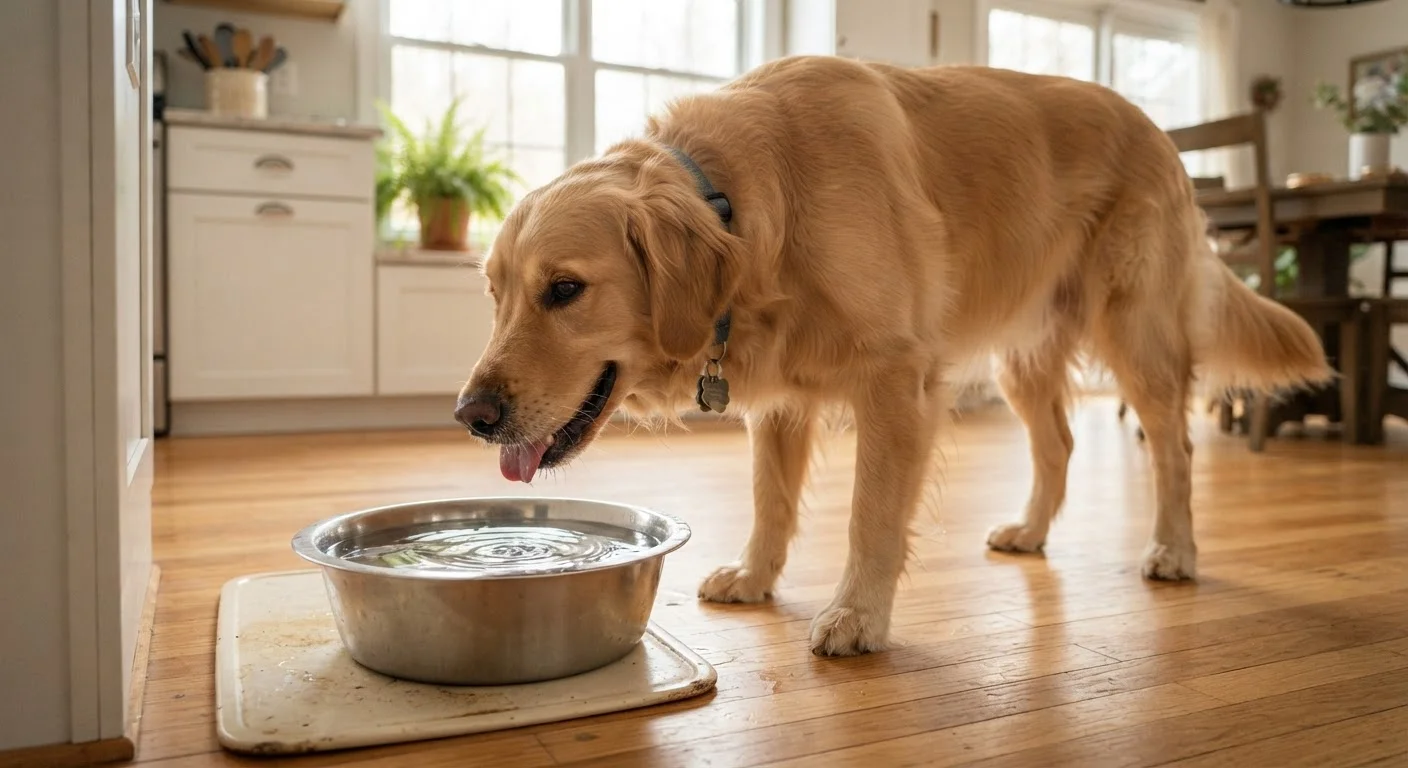
Why Water Is a Non-Negotiable Part of Pet Health
Water isn't a passive part of your pet's routine — it's active infrastructure. In both dogs and cats, water makes up roughly 60–70% of total body weight and participates in nearly every biological process: filtering waste through the kidneys, cushioning joints, regulating body temperature, and carrying nutrients to cells. Without adequate intake, these systems start to falter faster than most owners expect.
Unlike hunger, which builds gradually, dehydration can reach a dangerous level within hours under the wrong conditions — extreme heat, vomiting, diarrhea, or simple neglect of refilling the bowl. This makes hydration one of the easier health levers owners can directly manage, and one of the more consequential to get right. For a full picture of where hydration fits into responsible daily care, see our complete everyday pet care overview.
70–80%
Water content in wet/canned pet food
Compared to roughly 10% in dry kibble, making food format a major factor in total daily fluid intake.
~1 oz/lb
Daily water guideline for dogs
Veterinary consensus suggests approximately 1 ounce per pound of body weight as a baseline for healthy adult dogs.
60–70%
Water as share of a pet's body weight
Water underpins nearly every biological function in dogs and cats, from kidney filtration to joint cushioning.
How Much Water Do Dogs and Cats Actually Need?
The commonly cited guideline for dogs is 1 ounce of water per pound of body weight per day. A 25-pound beagle, then, needs roughly 25 ounces — about 3 cups. Larger breeds, highly active dogs, and those in warm climates will consistently need more. Puppies, nursing mothers, and dogs recovering from illness may also have elevated needs.
Cats present a different challenge. They're descended from desert hunters who extracted moisture primarily from prey, so their thirst drive is naturally blunted. A typical adult cat needs around 3.5–4.5 ounces of water per 5 pounds of body weight daily, but many cats on dry-only diets fall short of this without owners realizing it.
Diet format plays a major role here. Wet food is 70–80% moisture by weight, while dry kibble contains only about 10%. A cat eating canned food gets a significant portion of its fluid needs met through meals alone, while a kibble-fed cat must compensate almost entirely through drinking. Our article on dry food vs. wet food explores how these formats differ across nutritional dimensions.
Encourage Cats to Drink More
If your cat ignores the water bowl, try a pet water fountain — the movement mimics a stream and appeals to feline instincts. Placing water dishes in multiple locations around the home, away from food and litter boxes, also tends to improve intake. Some cats prefer wide, shallow bowls that don't touch their whiskers.
Factors That Affect How Much Your Pet Drinks
Several variables will shift your pet's water needs on any given day, and knowing them helps you notice when something seems off:
- Temperature and activity: A dog that spent the afternoon at a dog park in July needs far more water than one that napped indoors all day.
- Diet composition: As noted, wet food dramatically reduces the need to drink from a bowl. Salty treats or certain medications can increase thirst.
- Life stage: Young, growing animals and senior pets often have different hydration requirements than healthy adults.
- Health status: Kidney disease, diabetes, Cushing's disease, and urinary tract infections are among the conditions that alter water consumption — often noticeably. A pet that suddenly drinks dramatically more or less than usual should be evaluated by a veterinarian.
- Bowl placement and cleanliness: Pets can be particular. A bowl placed near a litter box, a dirty bowl, or water with a strong chlorine odor may cause a pet to avoid drinking. Cats, especially, often prefer water sources located away from their food.
Recognizing and Responding to Dehydration
Dehydration in pets isn't always obvious until it's progressed. Early signs can be subtle — mild lethargy, slightly reduced interest in play — before more visible symptoms appear. Key warning signs to watch for include:
- Dry, tacky, or pale gums (healthy gums should be moist and pink)
- Sunken-looking eyes
- Reduced or absent urination
- Loss of skin elasticity (the "skin tent" test: gently lift skin at the scruff; it should spring back immediately)
- Panting excessively in cats, which is not normal and often signals distress
Mild dehydration may resolve with fresh water and rest, but moderate to severe dehydration requires veterinary attention. Do not attempt to force large amounts of water quickly — this can cause problems of its own. If your pet is showing multiple signs, is vomiting, has diarrhea, or is visibly distressed, contact your veterinarian or an emergency animal clinic promptly.
This article is for general informational purposes only and does not constitute veterinary advice. Always consult a licensed veterinarian about your specific pet's health needs.
When Increased Thirst Is a Red Flag
Excessive water consumption — known clinically as polydipsia — is one of the hallmark signs of conditions like diabetes mellitus, kidney disease, and hyperthyroidism in both dogs and cats. If your pet's water intake has noticeably increased without an obvious cause such as heat or extra exercise, schedule a veterinary appointment. Blood and urine tests can quickly reveal whether an underlying condition is at play.
Frequently Asked Questions
A general guideline is approximately 1 ounce of water per pound of body weight daily. A 40-pound dog would need roughly 40 ounces. Activity level, heat, and diet all influence actual needs, so treat this as a starting benchmark rather than a strict rule.
Cats evolved from desert-dwelling ancestors and have a naturally low thirst drive. They're biologically inclined to get most of their moisture from prey, which means dry kibble diets often leave them mildly underhydrated. Offering a water fountain or wet food can help encourage intake.
Common signs include lethargy, dry or sticky gums, sunken eyes, reduced skin elasticity, and decreased urination. A simple at-home check is the skin tent test — gently pinch the skin at the back of the neck; if it returns slowly, dehydration may be present. Contact a veterinarian if you suspect dehydration.
Yes. Wet or canned food is typically 70–80% water, making it a meaningful source of daily fluid. Pets eating exclusively dry kibble need to drink considerably more from their bowl to compensate.
A noticeable and sustained change in drinking habits — either a dramatic increase (polydipsia) or decrease — can signal underlying health issues including kidney disease, diabetes, or infection. Any unexplained shift should prompt a veterinary consultation.
Many pets — particularly cats — prefer moving water and will drink more from a fountain than a still bowl. Fountains also filter debris and keep water fresher. Whether you use a fountain or bowl, frequent cleaning and daily fresh water are the most important factors.
The content on this site is for informational purposes only and is not a substitute for professional advice. Always consult a qualified professional for guidance specific to your situation.