

Our Verdict
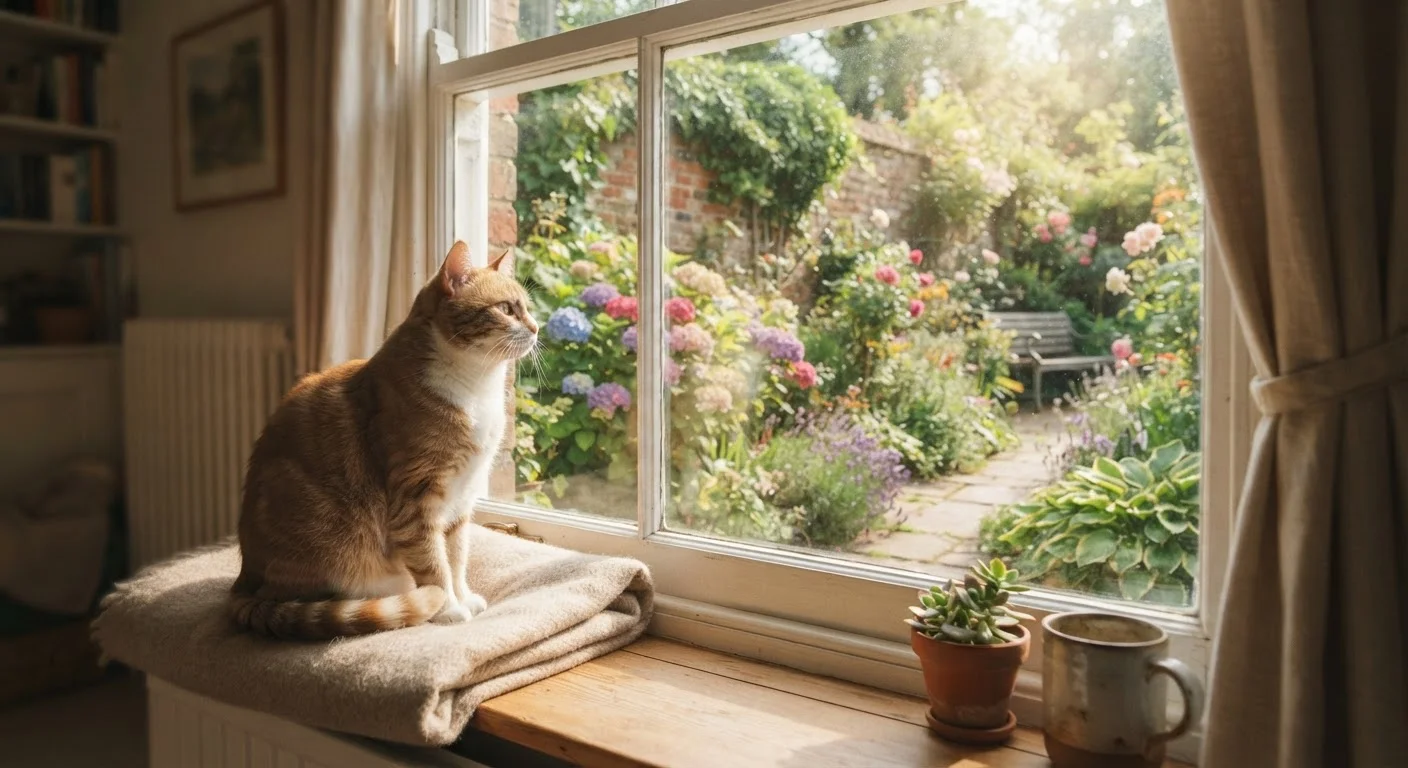
Neither lifestyle is universally right or wrong — each comes with genuine trade-offs that depend on the cat's individual temperament, health status, and local environment. Indoor life offers measurably better safety and longevity, while outdoor access provides sensory richness that some cats clearly benefit from. With thoughtful enrichment indoors and appropriate precautions for cats with any outdoor access, owners can meaningfully reduce the health risks of either choice.
Indoor-only living is best for most cats in urban or suburban areas, kittens, cats with chronic illness, and owners who want the most control over their pet's safety; carefully managed outdoor access may suit healthy adult cats in low-traffic, low-predator rural settings.
Why Living Environment Is a Major Health Variable
A cat's daily environment influences far more than comfort — it shapes exposure to disease, injury, parasites, stress, and even behavioral patterns that affect long-term wellbeing. Veterinary and animal welfare research consistently identifies lifestyle (indoor versus outdoor) as one of the most significant predictors of feline lifespan and common health problems.
That said, neither arrangement is perfect. Indoor cats can suffer from under-stimulation, obesity, and stress-related illness. Outdoor cats may thrive behaviorally while facing life-shortening physical risks. Understanding both sides helps owners make a more informed decision — or find a middle path that serves their specific cat.
For context on how other daily decisions interact with lifestyle, see our overview of common well-meaning habits that can quietly harm your pet's health.
The Case for Keeping Cats Indoors
Indoor living removes a long list of physical hazards in one stroke. Cars, dogs, coyotes, territorial cats, accidental poisoning, and extreme weather are all effectively eliminated as threats. This protective environment is a primary reason veterinary and animal welfare organizations generally recommend indoor-only living for domestic cats.
Significantly longer average lifespan
Indoor cats are estimated to live considerably longer on average than outdoor cats, largely because they avoid trauma, disease exposure, and environmental hazards that shorten outdoor cats' lives.
Lower risk of infectious disease
Diseases like FeLV, FIV, and feline panleukopenia spread through direct contact with infected cats — a risk that drops substantially when cats don't roam freely.
Reduced parasite burden
Indoor cats have far less exposure to fleas, ticks, ear mites, and intestinal parasites, which simplifies prevention and reduces the risk of parasite-related illness.
Protection from traffic and predators
Vehicle strikes and animal attacks are leading causes of injury and death in outdoor cats; indoor living removes these risks almost entirely.
Easier veterinary monitoring
Owners of indoor cats can more readily observe changes in behavior, appetite, and litter box habits — early warning signs that are easier to track in a controlled environment.
10–15 yrs
Typical indoor cat lifespan
Veterinary sources commonly cite indoor-only cats living 10–15 years on average, with many reaching their late teens.
2–5 yrs
Estimated outdoor cat lifespan
Estimates from animal welfare organizations suggest free-roaming outdoor cats have significantly shorter lifespans due to environmental hazards.
From a preventive care standpoint, indoor cats also have lower exposure to infectious diseases — including feline leukemia virus (FeLV) and feline immunodeficiency virus (FIV) — that spread through contact with infected cats. Parasite burdens from fleas, ticks, and intestinal worms are similarly reduced, though not eliminated.
The challenge is that a safe environment isn't automatically an enriching one. Cats are predators with strong instincts to hunt, climb, scratch, and patrol territory. Without deliberate stimulation, indoor cats can develop obesity, anxiety, and destructive behaviors. Our guide to environmental enrichment for indoor pets covers practical ways to address this directly.
The Risks and Rewards of Outdoor Access
Cats with outdoor access live in a more complex sensory world — novel scents, moving prey, varied terrain, and natural light cycles all engage their instincts in ways that indoor environments rarely replicate fully. For some cats, particularly those accustomed to outdoor life, the behavioral benefits are observable: lower frustration, more varied activity, and fewer compulsive behaviors.
Higher risk of injury and premature death
Traffic, territorial fights, and predator attacks are disproportionately common causes of injury in outdoor cats, contributing to significantly shorter average lifespans.
Greater exposure to parasites and disease
Contact with other animals, soil, and wildlife dramatically increases exposure to fleas, ticks, intestinal worms, and serious viral infections like FeLV and FIV.
Toxin ingestion risk
Outdoor cats may encounter pesticides, antifreeze, rodenticides, and toxic plants — many of which can cause serious illness or death with minimal exposure.
Risk of becoming lost or stolen
Cats that roam freely can stray far from home, become disoriented, or be picked up by others; even microchipped cats face uncertainty if they travel beyond familiar territory.
The health costs, however, are substantial. Outdoor cats face elevated risk of trauma from vehicles and animal attacks, which are among the leading causes of injury and premature death in domestic cats. They are also more likely to contract parasites and infectious diseases, ingest toxins, or become lost. Depending on local wildlife, predation risk from coyotes, foxes, or birds of prey may also be significant.
Outdoor cats typically require more vigilant preventive care — updated vaccinations for diseases like rabies and FeLV, regular parasite screening, and more frequent veterinary check-ins. Building this into a consistent schedule is essential; our resource on year-round preventive care for pets offers a practical framework.
Finding a Middle Ground: Supervised and Enclosed Outdoor Options
For owners who want to offer outdoor stimulation without unrestricted roaming, several practical approaches exist. Enclosed outdoor structures — often called "catios" — allow cats to experience fresh air, sunlight, and natural sounds while remaining physically protected. Leash and harness walking is another option, though it requires patient training and suits some cats more than others.
The "Catio" Option Explained
A catio is an enclosed outdoor structure — ranging from a simple window box to a large walk-in enclosure — that gives cats access to fresh air and natural stimulation while preventing roaming. They can be purchased as kits or built from basic materials. When designed with perches, hiding spots, and weather protection, catios can meaningfully address the enrichment gap for indoor-only cats without introducing the hazards of free outdoor access.
A cat's temperament matters here. Some cats that have always lived indoors show little interest in outdoor access and can be stressed by exposure to unfamiliar sounds and smells. Others, particularly cats adopted as adults from outdoor environments, may be persistently frustrated by indoor-only life. Observing your individual cat's behavior and consulting your veterinarian are both reasonable starting points.
Whatever arrangement you choose, consistency in routine supports your cat's sense of security. For more on structuring a predictable daily environment, see how to build a daily routine your pet can rely on.
This article is for general informational purposes only and is not a substitute for professional veterinary advice. Always consult a licensed veterinarian regarding your pet's specific health needs.
The content on this site is for informational purposes only and is not a substitute for professional advice. Always consult a qualified professional for guidance specific to your situation.