

Why the Claims Process Trips People Up
Filing an auto insurance claim sounds straightforward until you are standing on the side of the road trying to remember what to do first. Most claim complications don't come from insurer bad faith - they come from gaps in documentation, missed deadlines, or off-hand comments that create liability problems. Understanding the process ahead of time is the most effective way to protect your interests.
If you're not certain what your current policy actually covers, it's worth reviewing the basics first. Our breakdown of coverage types explains what liability, collision, comprehensive, and personal injury protection each do - and when they apply. For a broader look at how the claims process fits into auto insurance as a whole, see The Auto Insurance Landscape, Start to Finish.
What you will need
Step-by-Step: From the Scene to Settlement
The steps below walk you through the entire claims process in the order it unfolds. Following them in sequence - rather than improvising under stress - significantly reduces the chance of a disputed or delayed payout.
Smartphone with Camera
Photograph vehicle damage, license plates, road conditions, and the overall scene immediately after the incident.
Auto Insurance Card
Provides your policy number, insurer contact information, and coverage confirmation needed to file and communicate about your claim.
Police Report Number
A formal record of the incident that supports your claim, especially in disputes over fault.
Insurer's Mobile App
Many insurers allow you to file claims, upload photos, and track status directly through an app, speeding up the process.
Secure the Scene and Check for Injuries
Before anything else, make sure everyone involved is safe. Move vehicles out of traffic if it is safe to do so, and turn on hazard lights. Call 911 if anyone is injured or if vehicle damage is significant - a police report creates an official record that supports your claim later.
Gather and Exchange Information
Collect the following from all other drivers involved: full name, contact number, driver's license number, license plate, vehicle make and model, and their insurance company name and policy number. Also note the names and contact details of any witnesses. Do not discuss fault or make any statements beyond basic information exchange.
Document the Scene Thoroughly
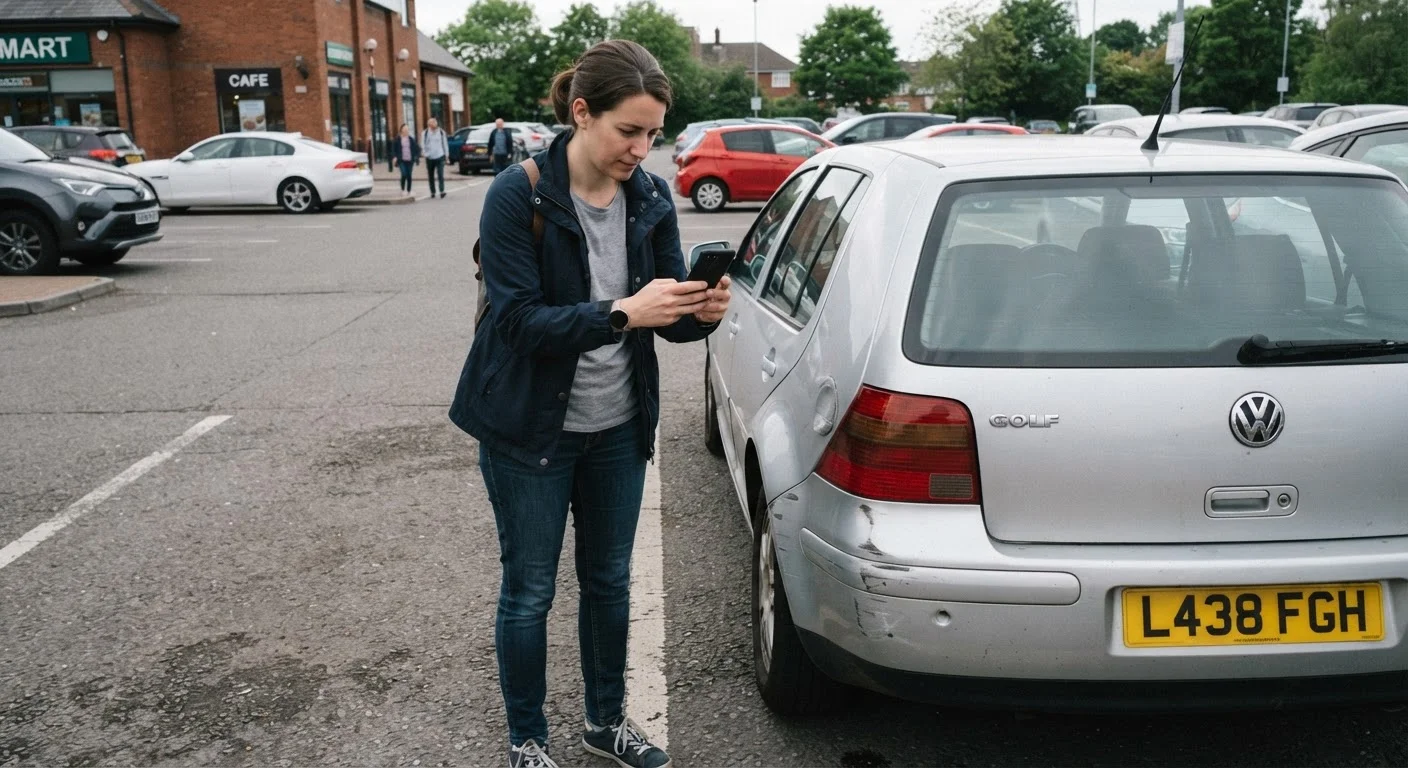
Photograph all vehicle damage from multiple angles, skid marks, road signs, traffic signals, and the surrounding environment. Note the time, weather conditions, and exact location. If a police officer responds, ask for the report number so you can retrieve the official report later - it is a key piece of evidence for your insurer.
Notify Your Insurer and File the Claim
Contact your insurance company as soon as reasonably possible - ideally the same day. You can typically call their claims line, use their website, or file through a mobile app. Have your policy number, the incident details, and the other driver's information ready. The insurer will assign a claim number and, usually, a dedicated adjuster.
Work With the Claims Adjuster
An adjuster - either employed by your insurer or an independent contractor - will evaluate the damage, review the police report, and determine fault according to your state's rules. Cooperate fully: provide photos, a written account of the incident, and any requested documentation. Ask the adjuster directly about expected timelines and what happens next at each stage.
Review the Settlement Offer Carefully
Once the adjuster completes their assessment, they will present a settlement offer covering repairs, a total-loss payout, or liability payments depending on your coverage. Review it against your actual repair estimates and, if applicable, your vehicle's market value. Understand how your deductible - the amount you pay before insurance covers the rest - affects the final figure. If you disagree, you can formally dispute the offer.
Manage Repairs and Keep Records
Once the claim is approved, arrange repairs through a shop of your choosing or an insurer-approved facility. Keep all receipts, invoices, and communications. If a rental vehicle is part of your coverage, confirm the daily limit and rental period covered before booking. After repairs, inspect the vehicle carefully before signing off - note any issues and report them to the insurer before closing the claim.
Never Admit Fault at the Scene
Even a casual apology can be interpreted as an admission of liability, which may complicate your claim. Stick to exchanging information and let investigators and insurers determine fault based on evidence. This applies even when you believe you were primarily responsible.
Keep a Claims Folder From Day One
Create a dedicated folder - physical or digital - for every document related to the incident: photos, repair estimates, medical receipts, police report numbers, and insurer correspondence. A complete, organized record prevents disputes and speeds up the settlement process.
Watch Your Policy's Reporting Window
Most auto insurance policies require you to report a claim within a specific timeframe - sometimes as short as 24 to 72 hours for certain coverage types. Waiting too long can give the insurer grounds to deny the claim entirely. Check your policy documents or call your insurer immediately after an incident.
For any terms that come up during the process - deductible, subrogation, actual cash value - our auto insurance glossary has plain-language definitions you can reference at any point.
This article provides general information about the auto insurance claims process and does not constitute legal, financial, or insurance advice. Coverage outcomes depend on your specific policy terms, state regulations, and the details of your individual situation. Consult a licensed insurance professional or attorney for guidance on your specific claim.
The content on this site is for informational purposes only and is not a substitute for professional advice. Always consult a qualified professional for guidance specific to your situation.