

Why Selling Privately Is Worth Understanding
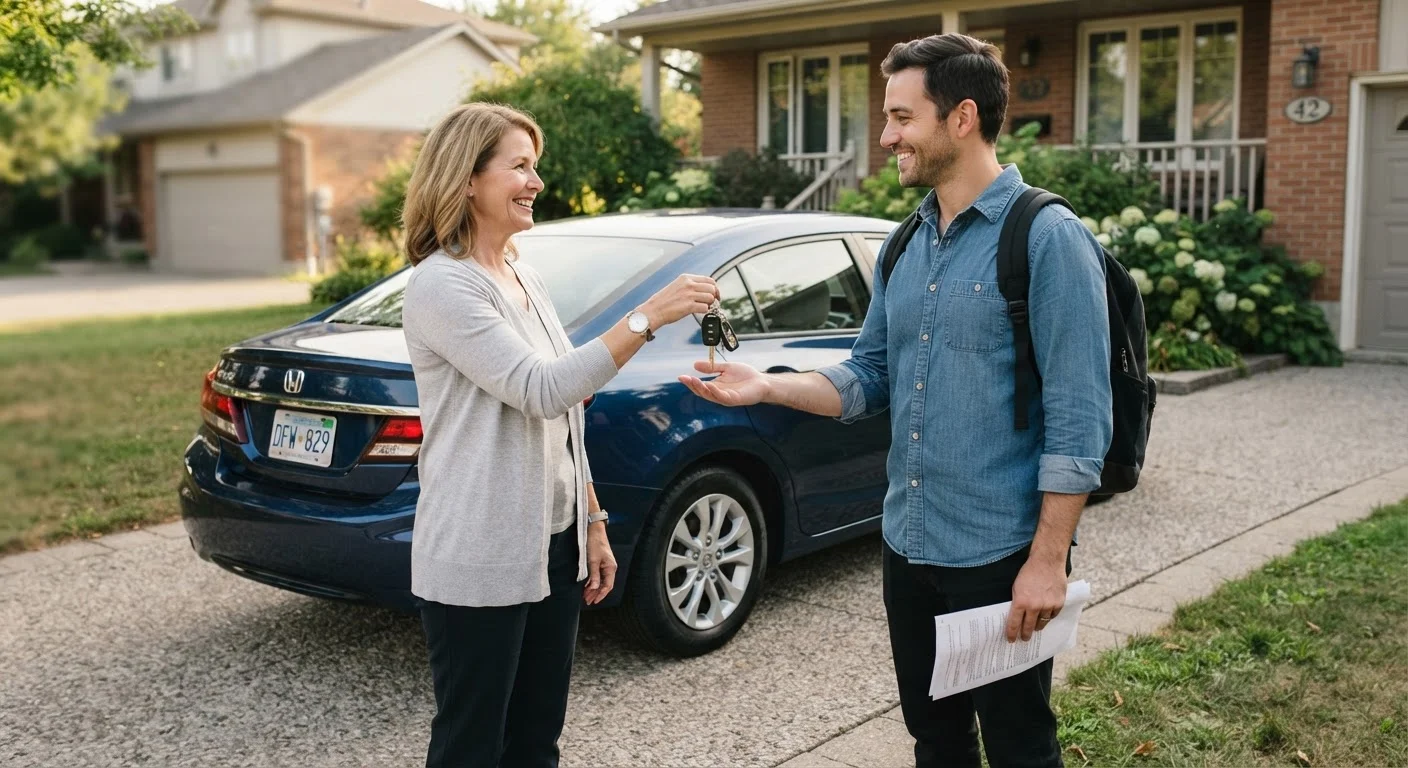
Private-party sales routinely net sellers more than a dealer trade-in - sometimes by a meaningful margin - because you're eliminating the middleman's profit. But that financial upside comes with real responsibilities: you handle pricing, marketing, buyer communication, and all the legal paperwork yourself. Understanding what's actually involved before you start prevents costly mistakes and protects you legally after the transaction closes.
If you're weighing whether to sell privately or trade in at a dealership, understanding the real trade-offs between private sellers and dealerships can help you decide which route fits your situation.
What you will need
What You'll Need Before You Start
Having the right tools and documents in place before listing saves time and prevents the sale from stalling at the finish line. Federal law (the Truth in Mileage Act) mandates an odometer disclosure for most vehicles under ten model years old, and every state has its own title transfer requirements. Check your state DMV's website for the specific forms required in your jurisdiction.
Vehicle History Report
Provides buyers with documented accident, ownership, and lien history, which builds trust and reduces negotiation friction.
Pricing Reference Tool (e.g., Kelley Blue Book, NADA Guides)
Used to establish a defensible asking price based on your vehicle's year, make, model, mileage, and condition.
Bill of Sale Template
Documents the agreed transaction terms in writing, protecting both buyer and seller after the handoff.
Odometer Disclosure Statement
Required by federal law for vehicles under ten model years old; records the mileage at the time of sale.
Write a Simple Bill of Sale
Even if your state does not require one, a written bill of sale protects both parties. It should include the sale date, vehicle identification number (VIN), odometer reading, sale price, and signatures from both buyer and seller. Many state DMV websites offer free templates.
The Step-by-Step Process
Follow these steps in order. Each one builds on the last, and skipping ahead - particularly around payment and title signing - is where most private sales go wrong.
Determine a realistic asking price
Before you list, research what comparable vehicles are actually selling for - not just what sellers are asking. Cross-reference at least two pricing tools and look at active listings in your local market. Condition, mileage, trim level, and regional demand all affect value. Set a price slightly above your minimum acceptable number to leave room for negotiation without overpricing yourself out of inquiries.
For a deeper look at this process, see how to think about market value when pricing a used car.
Prepare the vehicle and gather documents
A clean, well-documented car sells faster and for more money. Wash and vacuum the interior and exterior. Address minor cosmetic issues if the cost is low relative to the expected return. Pull together the title, service records, and any warranty documents. If you have an outstanding loan, contact your lender to understand the payoff process - the buyer will need a clear title, not one encumbered by a lien.
Write an accurate, detailed listing
Your listing should include the year, make, model, trim, mileage, condition, asking price, and location. Be specific and honest about any known defects - misrepresenting the vehicle's condition can expose you to legal liability after the sale. Take photos in good daylight covering all four exterior angles, the interior, dashboard, engine bay, and any notable damage. Listings with clear photos generate significantly more qualified responses.
Screen inquiries and schedule test drives
Respond promptly to serious inquiries and ask clarifying questions to gauge buyer intent. Arrange test drives in daylight at a safe public location, and ask to see the prospective buyer's driver's license before they get behind the wheel. You are not obligated to allow a test drive, but buyers typically expect one. Consider driving along or having someone accompany you.
Negotiate and agree on a final price
Most buyers will negotiate. Know your floor price before the conversation starts. Be straightforward about what the vehicle is worth and what you've based your price on. Avoid emotional attachment to the number - the goal is a completed sale at a fair price. If the buyer's offer is below your minimum, it's acceptable to decline or counter rather than capitulate immediately.
Complete payment and sign the title
Once a price is agreed, collect payment before signing over the title. Acceptable payment methods for private sales include cashier's checks (verified with the issuing bank), bank wire transfers, or cash for smaller amounts. Personal checks are high-risk. Sign the title exactly as your name appears on it - errors can complicate the buyer's registration. Complete the odometer disclosure statement as required by federal law.
[important_callout]File a release of liability with your state DMV
Most states require the seller to notify the DMV that the vehicle has changed hands. This "release of liability" or "notice of transfer" protects you if the buyer is involved in an incident before re-registering the car. File this form promptly - the window varies by state but is often within five business days of the sale. Remove your license plates if your state requires it.
For a detailed breakdown of the paperwork involved, see our guide on how title transfer works across a sale.
After the Sale: Protecting Yourself
Once the keys change hands, your obligations don't end immediately. File your DMV release of liability the same day if possible. Notify your insurer of the sale date, but review your state's rules before cancelling coverage outright.
Cancel Your Insurance Only After Transfer Is Complete
Do not cancel your auto insurance policy the moment you sign the title. Until the buyer registers the vehicle in their name, liability exposure can vary by state. Keep coverage active until you have written proof the title has transferred, such as a DMV receipt or confirmation of the new registration.
For a broader view of every stage a car transaction moves through - from initial research to completed transfer - see the full lifecycle of a car transaction. And for general ownership knowledge beyond the sale itself, the Car Ownership Basics hub covers the essentials every owner should know.
This article is for general informational purposes only and does not constitute legal or financial advice. Requirements for vehicle sales vary by state. Consult your state DMV and, if needed, a licensed professional for guidance specific to your situation.
The content on this site is for informational purposes only and is not a substitute for professional advice. Always consult a qualified professional for guidance specific to your situation.