

Our Verdict
A minimal makeup routine delivers real, practical benefits - less time, less spending, and a lighter relationship with your appearance. The trade-offs are equally real: limited coverage, reduced longevity, and less flexibility for moments when you want a more polished result. Neither approach is inherently better; the right fit depends on your lifestyle, skin, and goals.
Ideal for readers who prioritize speed and simplicity in their daily routine, are comfortable with a more natural look, or are just starting to explore makeup without wanting to commit to a complex regimen.
What a Minimal Makeup Routine Actually Means
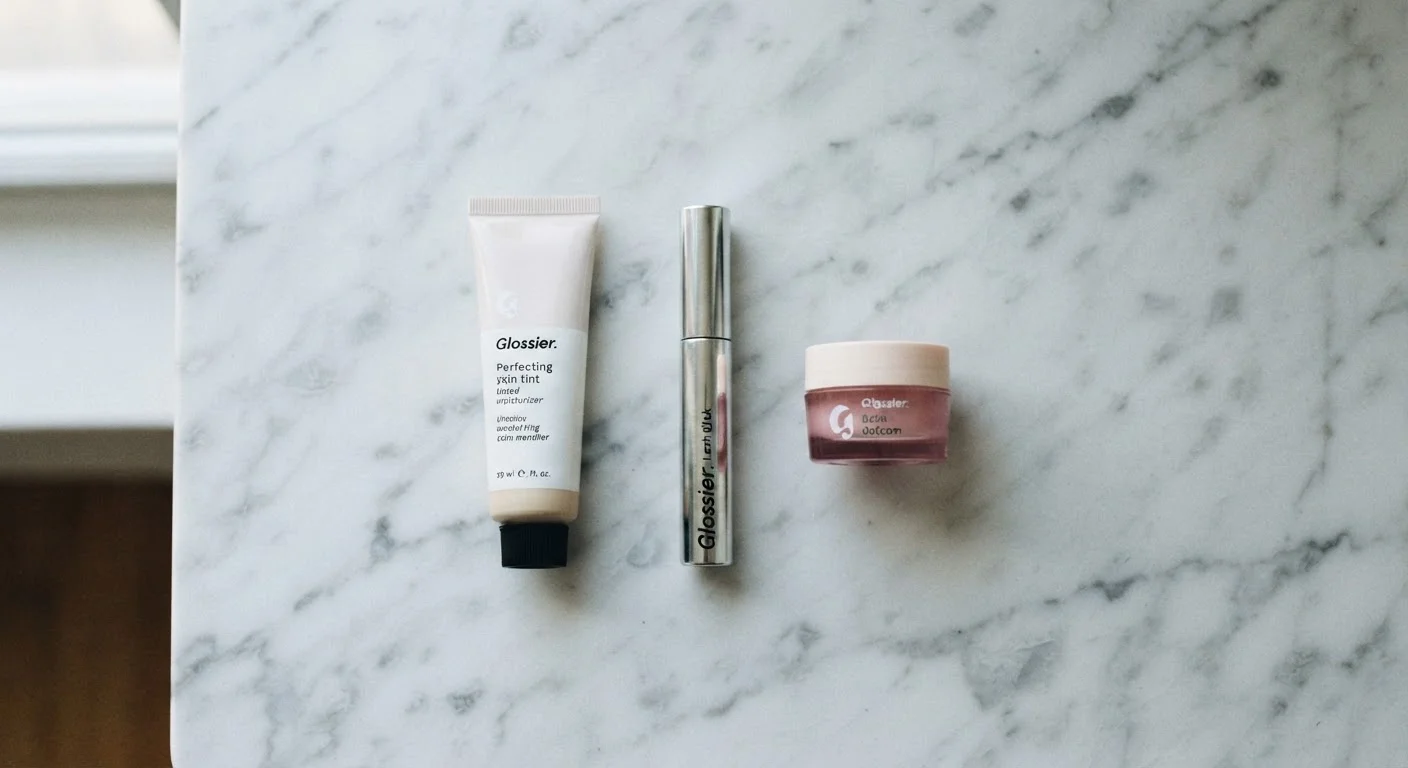
A minimal makeup routine typically involves three to five products - often something that evens skin tone (like a tinted moisturizer or BB cream), a mascara, and a tinted lip product. The goal is a polished but effortless look that doesn't require significant skill, time, or a stocked vanity to pull off.
This approach has grown in popularity not because people care less about their appearance, but because many have come to value intentionality over accumulation. If you're curious about which foundational products actually matter in a stripped-back kit, our guide to makeup starter essentials covers the practical building blocks without the overwhelm.
Going minimal is a legitimate, sustainable choice - but like any routine, it comes with trade-offs worth understanding before you commit.
The Genuine Advantages
There are concrete reasons why a pared-down approach works well for a lot of people, and they go beyond convenience.
Saves meaningful time in a daily routine
A five-minute routine is genuinely achievable with minimal products, making it easier to maintain consistency - especially on early mornings or busy days.
Reduces decision fatigue and mental load
Choosing from three products rather than thirty removes a small but real source of daily friction, which research on decision fatigue suggests can accumulate meaningfully over time.
Costs significantly less over time
Fewer products mean lower upfront spending and less ongoing repurchase, particularly important for those building a routine without a large budget.
Lower risk of product reactions or buildup
Every additional product layer introduces additional ingredients to the skin, so fewer products can reduce the likelihood of irritation, especially for sensitive or acne-prone skin types.
Easier to maintain consistency and skill
When a routine is short, it's easier to apply correctly and consistently - meaning the results are more predictable day to day, even without significant makeup experience.
~10 min
Average time saved with a minimal routine
Surveys on morning routines suggest the average person spends 15-20 minutes on makeup; a minimal routine typically takes 5-7 minutes.
3-5
Products in a typical minimal routine
Beauty educators generally define a minimal routine as one covering skin tone, lashes, and lips - usually achievable in three to five products.
One overlooked benefit: when you wear fewer products, your skincare routine often becomes more effective because there's less layering between your skin and active ingredients. Less product also means fewer opportunities for reactions, clogged pores, or buildup - which can be a meaningful consideration for sensitive skin types.
The Real Limitations
Honesty matters here. A minimal routine genuinely cannot do everything a fuller routine can - and recognizing those limits helps you plan accordingly.
Limited coverage for skin concerns
Tinted moisturizers and light coverage products won't fully conceal significant redness, dark spots, or uneven texture the way a medium or full-coverage foundation can.
Products tend to wear off more quickly
Lighter formulations and fewer setting layers generally mean shorter wear time, which can be a real drawback on long days or in humid climates.
Less flexibility for varied occasions
A minimal kit can feel underpowered for formal events or settings where a more defined or polished look is personally desired, requiring either supplemental products or compromise.
More dependent on skin condition
With less product to work with, the skin's baseline texture and tone are more visible - making consistent skincare more critical than it might be in a fuller routine.
May not satisfy those who enjoy makeup artistry
For readers who find creativity and expression through makeup application, a stripped-back routine may feel restrictive rather than freeing over time.
It's also worth noting that a minimal routine places more emphasis on your skin's baseline condition. Redness, uneven texture, or hyperpigmentation that a fuller foundation would conceal will be more visible. This doesn't mean those features need to be hidden - but it does mean that investing in a solid skincare foundation becomes especially important. See our overview of core skincare routines if you're building that side of things up.
When Minimal Works - and When It Doesn't
A three-product routine is well-suited to everyday life: commuting, working from home, casual social outings, errands. It's fast, low-effort, and entirely appropriate for most daily contexts.
Minimal Doesn't Mean Fixed
A minimal routine can function as a flexible baseline rather than a rigid rule. Many people keep a short everyday routine and expand it selectively for specific occasions - treating the minimal kit as a starting point rather than a ceiling. This hybrid approach lets you reap the daily efficiency benefits without feeling locked out of more expressive looks when you want them.
Where it starts to feel limiting is in high-visibility or high-stakes situations - job interviews, formal events, or occasions where you personally want more definition or coverage. A minimal routine can be scaled up, of course: adding a concealer, a brow pencil, or a structured liner takes minutes but meaningfully shifts the result. Our article on building from liner to shadow shows how to layer in eye products without overcomplicating things.
The question isn't whether minimal is "enough" in some objective sense - it's whether it's enough for the specific moments in your life. For many readers, it will be, most of the time.
Common Misconceptions Worth Clearing Up
One persistent idea is that a minimal routine is a beginner phase to graduate out of. It isn't. Many experienced makeup users deliberately maintain simple routines because they've identified what works for them and stopped accumulating for its own sake.
Equally, going minimal doesn't mean ignoring technique altogether. Even a tinted moisturizer applied with unblended edges or mascara applied to ungroomed lashes can look less polished than intended. Our piece on makeup myths that affect everyday decisions addresses several assumptions - including the idea that more products automatically equals more skill or a better result.
Finally, a minimal approach doesn't have to mean a minimal investment in understanding what you're using. Knowing why a product works - its finish, its ingredients, its longevity - helps you get consistent results even from a short routine.
This article is for general informational purposes only and does not constitute professional beauty, medical, or skincare advice. If you have skin sensitivities or conditions, consult a qualified dermatologist before changing your routine.
The content on this site is for informational purposes only and is not a substitute for professional advice. Always consult a qualified professional for guidance specific to your situation.