

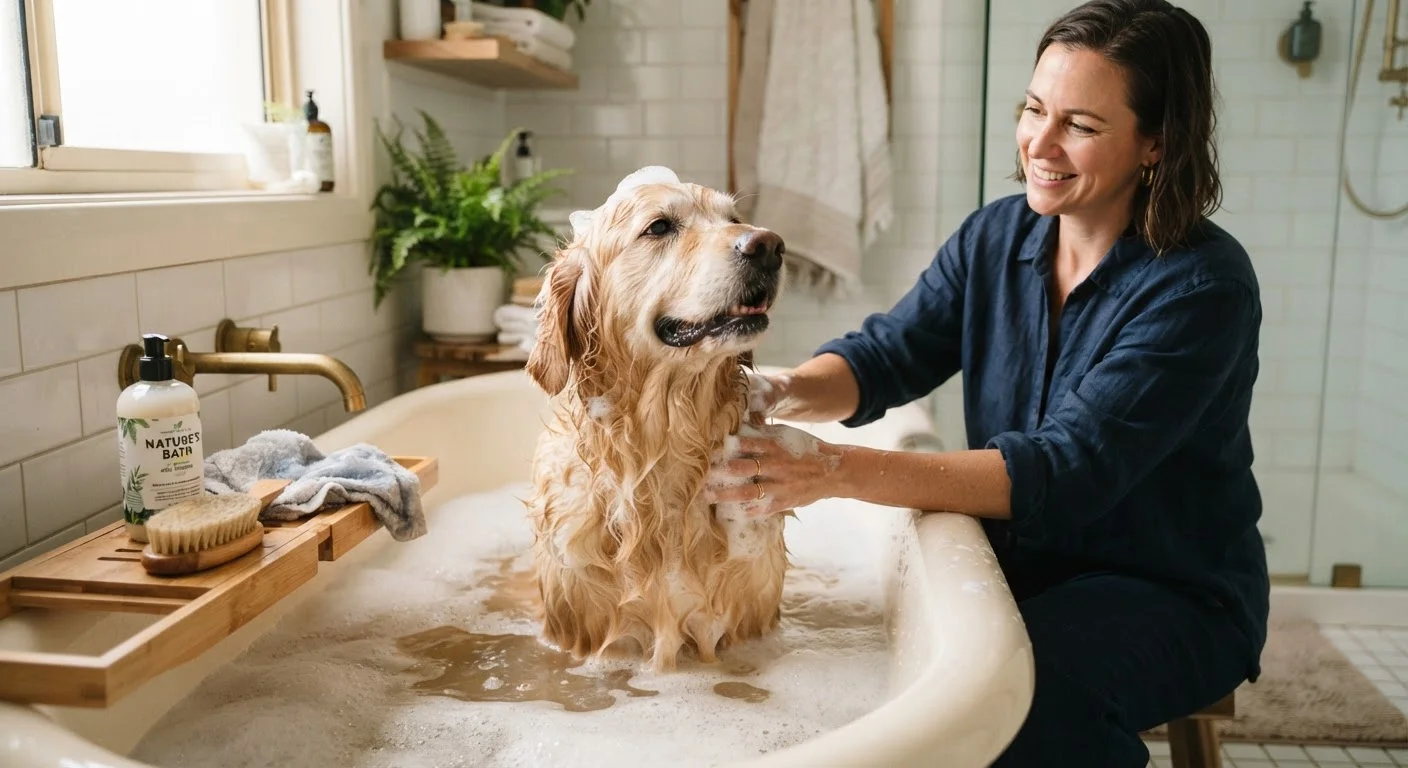
Why Bathing Frequency Isn't One-Size-Fits-All
Walk into any pet store and you'll find bathing advice on product labels that varies wildly. That's because how often a dog needs a bath genuinely depends on the individual animal. Unlike humans, dogs don't produce sweat across their skin the same way, and their coat serves as a physical barrier that requires a careful balance of cleanliness and natural oil retention.
Veterinary dermatologists generally point to four to six weeks as a reasonable baseline for most healthy adult dogs. But that number shifts based on several factors: coat length and texture, how much time a dog spends outdoors, whether the dog has allergies or a diagnosed skin condition, and even the season. A short-haired Beagle who mostly stays indoors has very different needs from a Bernese Mountain Dog who rolls in the yard daily.
Coat Health Between Baths Matters Too
Bathing is just one part of coat maintenance. Regular brushing, ear checks, and paw cleaning contribute significantly to overall skin and coat health. A well-maintained coat between baths means less buildup and fewer full washes needed over time.
Understanding how your dog's coat behaves between baths can also inform your routine. See our guide to coat shedding and seasonal changes to learn what's normal for your breed.
How Coat Type Changes the Calculation
Coat structure is the most reliable guide to bathing frequency.
- Short, smooth coats (Beagles, Boxers, Dachshunds): These dogs can comfortably go six to eight weeks between baths. Their coats don't trap debris easily and tend to stay relatively clean with routine brushing.
- Double coats (Labrador Retrievers, Huskies, Golden Retrievers): Dense undercoats hold onto dirt, moisture, and loose fur. Bathing every four to six weeks — combined with thorough brushing — helps prevent matting and reduces shedding around the home.
- Long, silky coats (Maltese, Shih Tzu, Yorkshire Terriers): These coats tangle and mat quickly when dirty. A bath every three to four weeks, along with regular brushing, is often recommended.
- Curly or wavy coats (Poodles, Labradoodles): Curly coats trap dirt and can develop skin odor more quickly. Every three to four weeks is a common interval, though some owners opt for professional grooming on a similar schedule.
- Hairless breeds (Chinese Crested, Xoloitzcuintli): Without a coat to absorb skin oils, hairless dogs can need weekly bathing to prevent oil buildup and skin irritation.
4–6 weeks
General bathing interval for most healthy dogs
Veterinary dermatologists commonly cite this range as a baseline for adult dogs without skin conditions, adjusted by coat type and lifestyle.
~6.2–7.4
Typical pH range of a dog's skin
Dog skin pH differs significantly from human skin, which is why human shampoos — formulated for a more acidic pH — can disrupt a dog's skin barrier over time.
1–2x/week
Frequency sometimes recommended for dogs with skin conditions
Dogs with diagnosed conditions such as seborrhea or bacterial dermatitis may be prescribed more frequent therapeutic bathing under veterinary supervision.
For the full picture on keeping a coat healthy between professional visits, the home grooming guide covers brushing and coat maintenance in detail.
When Skin Conditions Change the Rules
Dogs with allergies, seborrhea, bacterial skin infections, or other dermatological conditions may benefit from bathing more frequently — sometimes as often as once or twice a week — using a medicated or prescription shampoo. In these cases, the bathing protocol is a treatment tool, not just a hygiene habit, and should be directed by a veterinarian.
Conversely, some dogs with extremely dry or sensitive skin may need to bathe less often than the breed baseline suggests, with gentle, moisturizing formulas used when bathing is necessary. The takeaway: if your dog is scratching persistently, developing flaky skin, or smelling unusually despite regular bathing, those are signals to check in with a vet rather than simply adjusting the schedule on your own.
Use Dog-Specific Shampoo Every Time
Human shampoos — including baby formulas — are formulated for a more acidic skin pH than dogs have. Using them regularly can disrupt your dog's skin barrier and lead to dryness or irritation. Choose a shampoo labeled safe for dogs, and if your dog has a skin condition, ask your veterinarian before selecting a formula.
This article provides general information for educational purposes and is not a substitute for veterinary advice. Always consult your veterinarian for guidance specific to your dog's health and needs.
Between Baths: Keeping Your Dog Fresh
Full baths aren't the only tool in the routine care kit. Between scheduled washes, a few simple habits go a long way:
- Brush regularly: Brushing removes loose fur, distributes natural oils, and pulls surface debris out of the coat before it becomes embedded. The right brush depends on coat type.
- Spot-clean as needed: A damp cloth or pet-safe wipe handles muddy paws, a dirty belly, or a quick chin cleanup after meals without disrupting the coat's natural oil balance.
- Check ears and paws: These areas trap moisture and debris between baths and benefit from gentle inspection and cleaning on their own schedule.
Keeping up with brushing, nail trims, and ear cleaning as part of a consistent routine reduces how often a full bath is actually necessary. Our guide to at-home grooming walks through each of these tasks safely and clearly.
Frequently Asked Questions
Most healthy dogs do well with a bath every four to six weeks. However, coat type, activity level, and skin health all influence the right frequency. Your veterinarian can recommend a schedule tailored to your specific dog.
Yes. Bathing too frequently strips the natural oils from your dog's skin and coat, which can lead to dryness, flaking, and increased itchiness. If your dog seems to need frequent baths, talk to your vet about underlying causes.
Always use a shampoo specifically formulated for dogs. Human shampoos — including baby shampoo — have a different pH and can disrupt a dog's skin barrier over time. If your dog has a skin condition, a veterinarian may prescribe a medicated formula.
Generally, short-haired dogs can go longer between baths because their coats don't trap dirt and debris as readily. Long-haired and double-coated breeds may need more regular bathing and thorough brushing to prevent matting and odor.
A full shampoo bath isn't necessary after every outing. Spot-cleaning muddy paws or a dirty belly with a damp cloth or pet-safe wipe is usually enough. Reserve full baths for when the coat is noticeably soiled or smelly.
Consult your veterinarian if your dog has recurring skin irritation, unusual odor, excessive shedding, or a diagnosed skin condition. These factors can change the recommended bathing frequency and the type of shampoo that is appropriate.
The content on this site is for informational purposes only and is not a substitute for professional advice. Always consult a qualified professional for guidance specific to your situation.