

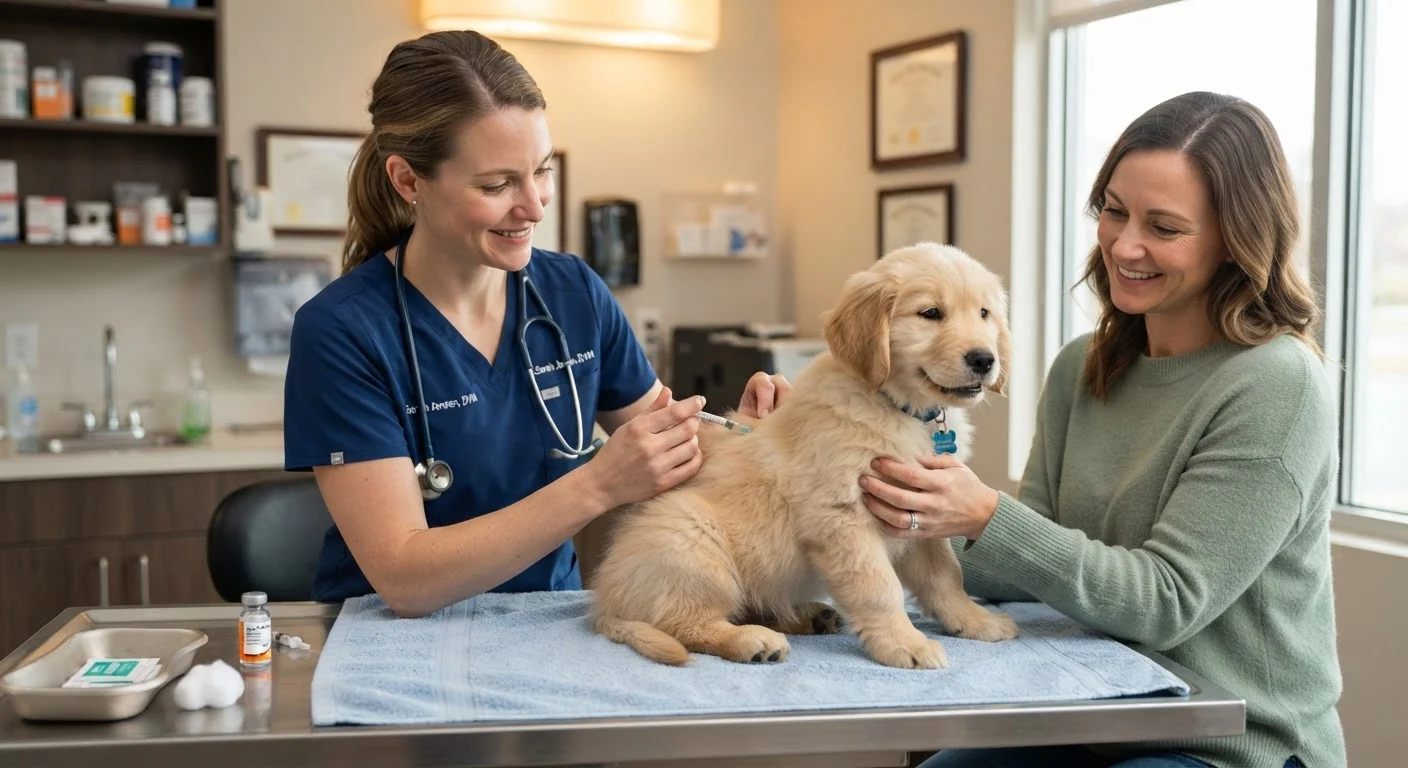
Core vs. Non-Core Vaccines: What the Distinction Means
Veterinary guidelines divide pet vaccines into two categories: core and non-core. Understanding the difference helps you have more informed conversations with your vet and ensures your pet gets what they genuinely need.
Core vaccine
A vaccine recommended for all pets of a given species, regardless of lifestyle, because it protects against diseases that are widespread, severe, or pose public health risks.
Non-core vaccine
A vaccine given selectively based on a pet's individual risk factors — such as geographic location, outdoor exposure, or contact with other animals.
Maternal antibodies
Protective proteins passed from a mother animal to her offspring shortly after birth or through nursing. They provide temporary immunity but can reduce vaccine effectiveness in very young animals.
Booster
A follow-up dose of a vaccine given after the initial series to sustain or reinforce the immune response over time.
Titer test
A blood test that measures the level of antibodies in a pet's bloodstream, sometimes used to assess whether an animal still has protective immunity before administering a booster.
Core vaccines are recommended for virtually every dog or cat regardless of lifestyle, because the diseases they protect against are either highly contagious, potentially fatal, or transmissible to humans. For dogs, core vaccines include rabies, distemper, parvovirus, and adenovirus (often combined in a single shot called DA2PP or similar). For cats, core vaccines cover rabies, feline herpesvirus-1, calicivirus, and panleukopenia — frequently combined in a FVRCP formulation.
Non-core vaccines are recommended selectively, based on a pet's individual risk factors — where they live, how much time they spend outdoors, whether they frequent boarding facilities or dog parks, and local disease prevalence. Examples include the Bordetella (kennel cough) vaccine for dogs and the feline leukemia virus (FeLV) vaccine for cats with outdoor access. Your vet will assess which non-core vaccines make sense for your specific animal.
Vaccination decisions should always be made in partnership with a licensed veterinarian who knows your pet's health history and environment. This article provides general educational information, not personalized medical advice. See our guide to annual vet visits for a broader picture of what routine checkups involve.
Typical Vaccination Timelines for Puppies and Kittens
Young animals receive a series of vaccines — not just one — because maternal antibodies (protective proteins passed from mother to offspring) can interfere with vaccine effectiveness during the first weeks of life. The series is timed to catch the window when maternal immunity fades and the animal's own immune system is ready to respond.
| Core vaccines — dogs | Rabies, distemper, parvovirus, adenovirus (DA2PP) (American Animal Hospital Association (AAHA) Canine Vaccination Guidelines) |
| Core vaccines — cats | Rabies, feline herpesvirus-1, calicivirus, panleukopenia (FVRCP) (American Association of Feline Practitioners (AAFP) Vaccination Guidelines) |
| Puppy series start age | 6–8 weeks (Standard veterinary guidance) |
| Kitten series start age | 6–8 weeks (Standard veterinary guidance) |
| Rabies booster interval | Every 1 or 3 years (varies by product and local law) (Varies by jurisdiction; verify local requirements) |
| DA2PP / FVRCP adult booster | Every 3 years for low-risk healthy adults after first adult booster (AAHA and AAFP guidelines) |
For puppies, the general schedule recommended by veterinary organizations typically looks like this:
- 6–8 weeks: First DA2PP combination vaccine
- 10–12 weeks: DA2PP booster; Bordetella if at risk
- 14–16 weeks: DA2PP booster; rabies vaccine (often legally required)
- 12–16 months: DA2PP and rabies boosters to confirm immunity
For kittens, a similar approach applies:
- 6–8 weeks: First FVRCP combination vaccine
- 10–12 weeks: FVRCP booster; FeLV if outdoors or at risk
- 14–16 weeks: FVRCP booster; rabies vaccine
- 12–16 months: FVRCP and rabies boosters
These windows are guidelines, not rigid rules. If a kitten or puppy comes to you at an unknown age or with an incomplete history, your vet can help design a catch-up schedule. Fitting vaccination into a year-round preventive care routine makes it easier to stay on track.
Adult Pet Boosters and How Schedules Shift Over Time
Once the puppy or kitten series is complete, vaccines don't stop — they transition to a booster schedule. Boosters maintain immunity over time, since protection from most vaccines does wane.
When to Reassess Your Pet's Schedule
A pet's vaccination needs can change as their lifestyle changes — for example, if an indoor cat begins going outdoors, or a dog starts attending daycare regularly. Significant health events such as a cancer diagnosis or long-term steroid use can also affect how a veterinarian approaches vaccine decisions. Review your pet's protocol with your vet at least annually, not just when a reminder postcard arrives.
For adult dogs and cats, common booster intervals include:
- Rabies: Every 1 or 3 years, depending on the vaccine used and local law. Many states and municipalities legally mandate rabies vaccination, so check your local requirements.
- DA2PP / FVRCP: After the first adult booster (given around 12–16 months), many vets shift to every 3 years for low-risk, healthy adults.
- Non-core vaccines (Bordetella, leptospirosis, FeLV, etc.): Often annual, because immunity duration tends to be shorter. Your vet will advise based on ongoing risk.
Older pets, immunocompromised animals, or those with certain chronic conditions may warrant adjusted schedules. Discuss your pet's full health picture with your veterinarian before assuming a standard protocol applies. Vaccination records are also critical documents to keep on hand — our checklist on what to have ready before a pet health emergency explains why.
Pair vaccination with consistent parasite prevention for the most complete protective approach. Our overview of parasite prevention for pets covers the key threats and general prevention strategies.
This article is for general informational and educational purposes only and does not constitute veterinary or medical advice. Always consult a licensed veterinarian for guidance tailored to your individual pet's health needs.
The content on this site is for informational purposes only and is not a substitute for professional advice. Always consult a qualified professional for guidance specific to your situation.