

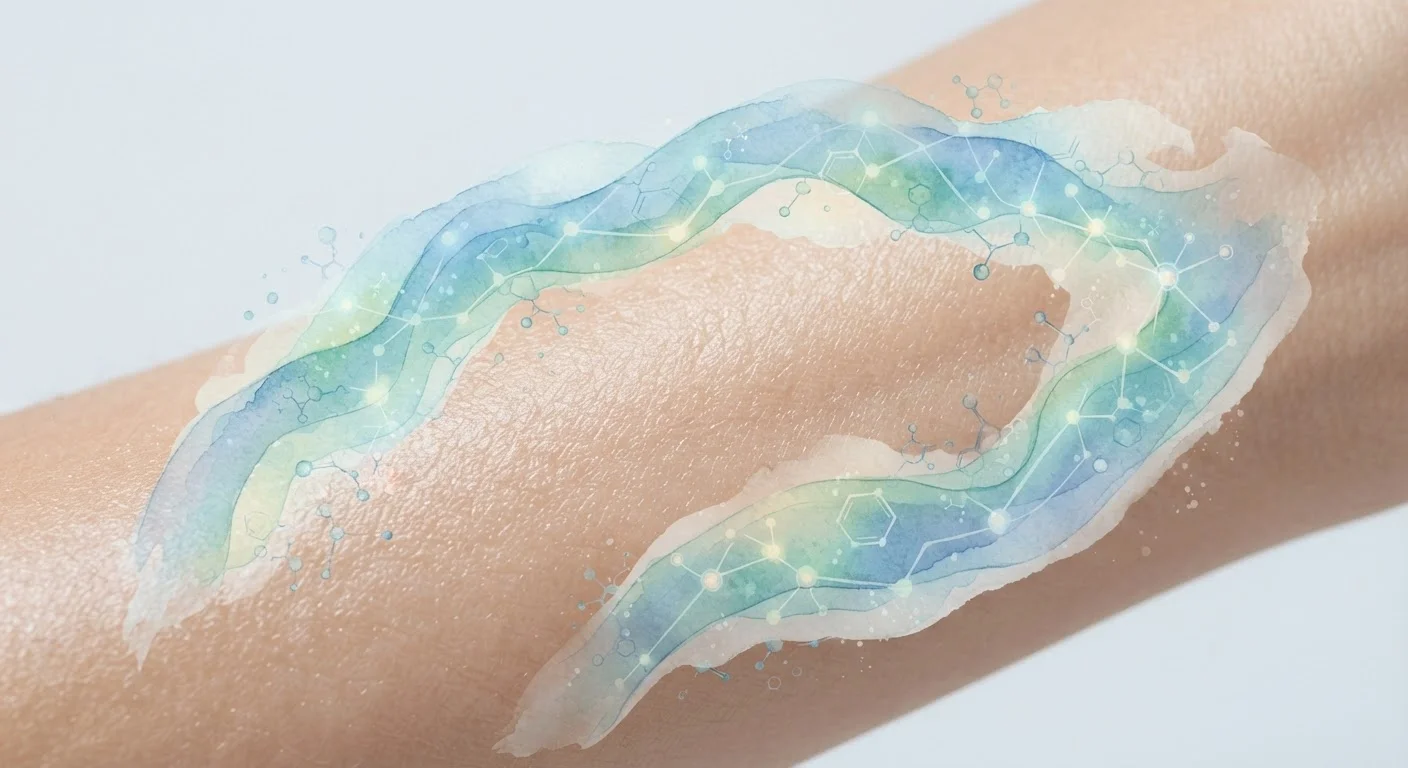
What the Skin Barrier Actually Does
Think of your skin barrier as a carefully constructed wall. The outermost layer of skin is made up of tightly packed cells held together by lipids - fats that include ceramides, cholesterol, and fatty acids. Together, these create a semi-permeable seal that performs two critical jobs simultaneously: it keeps water inside the skin and blocks harmful things from getting in.
Without a functional barrier, skin loses moisture rapidly - a process called transepidermal water loss (TEWL). At the same time, environmental aggressors like airborne pollutants, allergens, and microorganisms find it easier to penetrate. The result is skin that feels dry, reactive, and uncomfortable.
The barrier also maintains your skin's naturally slightly acidic pH, which discourages harmful bacterial growth and supports the enzymes responsible for healthy skin cell turnover. Disrupting that pH balance - even temporarily - can set off a cascade of problems that take time to resolve.
“The stratum corneum is not just dead tissue - it is a metabolically active structure that plays an essential role in maintaining skin homeostasis and protecting the body from environmental threats.”
— Peter Elias, Dermatologist and skin barrier researcher, University of California San Francisco
How Everyday Habits Weaken the Barrier
Barrier damage rarely happens all at once. It's usually the result of repeated, low-level stressors accumulating over time. Some of the most common culprits are habits people assume are helping their skin.
- Over-cleansing: Washing your face more than twice a day, or using harsh, high-pH cleansers, strips the lipids that hold the barrier together.
- Over-exfoliating: Physical scrubs and chemical exfoliants - acids and retinoids - are valuable tools, but using them too frequently removes cells and lipids faster than the skin can replace them. Our article on over-exfoliating covers the warning signs in detail.
- Hot water: Long, hot showers dissolve the lipid layer, which is why skin often feels tight and dry afterward.
- Skipping moisturizer: Moisturizer isn't just about comfort - it actively supports the barrier by replacing lipids and sealing in water.
- Too many active ingredients at once: Layering multiple potent actives without adequate recovery time overwhelms the skin's ability to repair itself.
Simplify Before You Add
If your skin is feeling reactive or irritated, the most protective step is usually to pare your routine back rather than add new products. Stick to a gentle cleanser and a plain moisturizer for a week or two and see whether your skin settles. Adding more products while the barrier is compromised often makes identification of the problem harder, not easier.
Ingredients That Support Barrier Function
Understanding the barrier makes ingredient labels easier to decode. Three categories of ingredients most directly support barrier integrity:
- Ceramides
- Lipids that are naturally present in the barrier. Topical ceramides help replenish what cleansing and environmental exposure deplete.
- Humectants
- Ingredients like glycerin and hyaluronic acid draw water into the skin, keeping the barrier hydrated from within.
- Occlusives
- Heavier ingredients like petrolatum, squalane, and shea butter sit on top of the skin and slow water evaporation, giving the barrier time to repair itself.
You don't need to use all three categories simultaneously - but understanding what each does helps you choose products that fit your skin's current needs. For guidance on sequencing these products correctly, see our overview on skincare layering.
~50%
Ceramide content of the healthy skin's lipid matrix
Research published in dermatology literature consistently identifies ceramides as the dominant lipid component of the stratum corneum, making them central to barrier integrity.
3-4 weeks
Typical skin cell turnover cycle
The skin naturally replaces its outermost cells roughly every three to four weeks - a cycle that aggressive exfoliation can disrupt if performed too frequently.
Building a Routine That Protects Rather Than Disrupts
Protecting the skin barrier doesn't require an elaborate routine. In fact, simplicity is often the most effective approach. A gentle, low-pH cleanser, a moisturizer with barrier-supportive ingredients, and a broad-spectrum SPF cover the fundamentals. Our four-step routine guide walks through exactly how to build that foundation.
If you're incorporating active ingredients - exfoliating acids, retinoids, or vitamin C - space them out and always follow with a nourishing moisturizer. On days when your skin feels reactive, consider scaling back to just cleansing and moisturizing, giving the barrier time to recover.
The same principles apply beyond the face. The body's skin barrier faces its own stressors - chlorinated water, fragranced soaps, dry indoor air. A weekly body care routine that includes body moisturizing supports barrier health from head to toe.
This article is for general informational and educational purposes only and is not a substitute for professional medical or dermatological advice. If you are experiencing persistent skin concerns, consult a qualified healthcare provider or dermatologist.
Frequently Asked Questions
Common signs include persistent dryness, tightness, stinging when applying products that never bothered you before, redness, and flaking. These symptoms don't always mean a serious condition - they can simply indicate the barrier is compromised and needs support. If symptoms are severe or persistent, consult a dermatologist.
Mild barrier disruption can improve within a few days of simplifying your routine and adding moisturizing support. More significant damage may take several weeks. There is no universal timeline, and individual factors like skin type and overall health play a role. A dermatologist can advise if you're not seeing improvement.
Yes - barrier function matters for all skin types, including oily skin. Even skin that produces excess sebum can have a compromised barrier if over-cleansed or treated with too many active ingredients. Maintaining baseline barrier health is foundational to any effective skincare routine.
Not necessarily. 'Natural' and 'clean' have no regulated definitions in skincare, and some natural ingredients - like certain essential oils - can be irritating. What matters most is whether an ingredient is well-tolerated and supports barrier function, regardless of origin.
Yes. Exfoliating too frequently or using overly harsh exfoliants removes protective lipids and skin cells faster than they can regenerate, directly weakening the barrier. Learn more about the warning signs in our guide to <a href="/beauty-style/skincare-basics/over-exfoliating-the-routine-mistake-that-quietly-damages-your-skin">over-exfoliating</a>.
Generally, yes. Oiliness refers to sebum production, while moisture relates to water content - these are separate mechanisms. Skipping moisturizer when skin feels oily can leave the barrier without adequate hydration support, potentially triggering more oil production as compensation.
The content on this site is for informational purposes only and is not a substitute for professional advice. Always consult a qualified professional for guidance specific to your situation.