

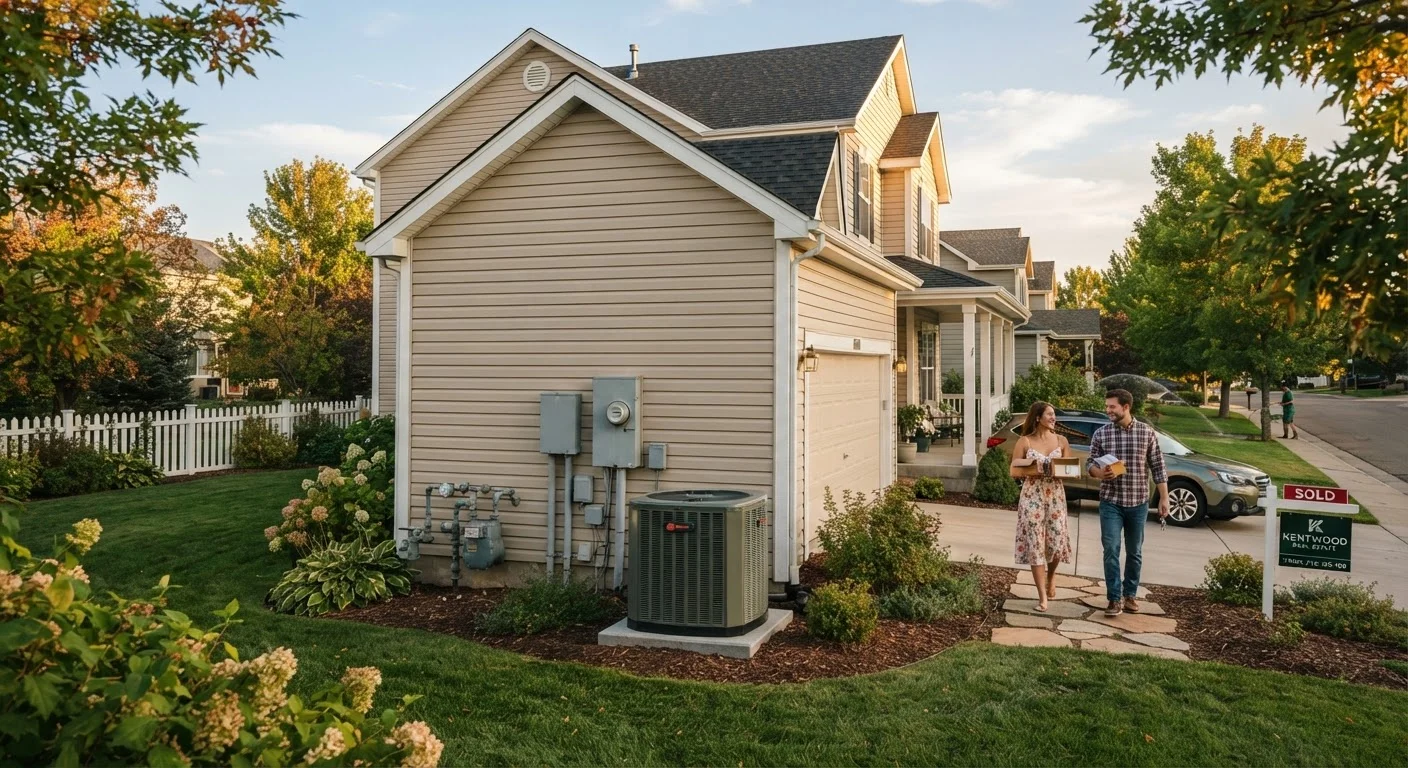
What renters rarely see coming
The monthly mortgage payment is the number most buyers focus on when deciding whether homeownership is affordable. But the mortgage is only part of the monthly cost of owning. Utilities — the bills that keep a home functional — can add hundreds of dollars per month that simply weren't part of a renter's budget.
For context on the broader financial picture of this transition, see our overview of renting vs. buying trade-offs and the full breakdown of ownership costs beyond the mortgage. The utility gap is real, it compounds quickly, and it catches many first-time owners off guard. Here are the specific expenses most likely to surprise you.
Heating and cooling a larger footprint
Most first-time buyers move from an apartment into a detached home that is meaningfully larger. More square footage means more air to heat in winter and cool in summer. A 2,000-square-foot house can cost two to three times more to condition than a 900-square-foot rental, depending on the home's insulation, window quality, and HVAC efficiency rating.
Older homes often have aging duct systems or insufficient insulation in attics and crawl spaces, making energy bills even higher than the size alone suggests. Before closing, ask the seller for 12 months of utility bills — not just a one-month snapshot — so you can see seasonal peaks.
A larger home can cost two to three times more to heat and cool than your former apartment.
Water and sewer billed directly to you
In many rental situations, water and sewer charges are built into the rent or absorbed by the landlord. As a homeowner, these bills come directly to you — and they can be substantial, especially in regions experiencing drought surcharges or aging infrastructure fees.
Sewer charges are often calculated as a percentage of water consumption, meaning they compound your total bill. Homes with older toilets, leaky faucets, or inefficient appliances consume more water than occupants realize. A single running toilet can add tens of dollars per month before it's even noticed.
Water and sewer charges arrive directly on your doorstep the moment you become the owner of record.
Trash and recycling collection fees
Urban renters rarely think about garbage pickup — it's typically folded into rent or building operating costs. In many municipalities, homeowners pay separately for trash and recycling collection, either on a quarterly basis or as a line item on their property tax bill.
Rates vary considerably by city and county. Some areas offer a flat service fee; others charge by bin size or pickup frequency. Rural and semi-rural homeowners may have no curbside collection at all and must pay to haul waste to a transfer station themselves.
Garbage collection is a hidden line item for homeowners that most renters have never had to budget for.
Outdoor water use and irrigation
Renters with no lawn have no lawn to water. Homeowners with a yard — especially in drier climates — often find outdoor irrigation to be one of their most surprising new expenses. Watering a modest lawn through a dry summer can add $50 to $100 or more per month to a water bill, depending on local water rates and lot size.
Homes with in-ground sprinkler systems are particularly prone to overuse if schedules aren't calibrated to actual weather conditions. Smart irrigation controllers help, but the upfront cost is real. Factor in outdoor water use separately when reviewing a home's utility history.
Lawn irrigation can add hundreds of dollars to summer water bills that renters never encounter.
Natural gas for heating, cooking, and water
Many apartments use electric appliances throughout, making gas bills either minimal or nonexistent. Homes with gas-fired furnaces, water heaters, dryers, or ranges introduce a second utility account entirely. In colder climates, gas bills for heating alone can exceed several hundred dollars a month during peak winter months.
Gas prices fluctuate seasonally and by region, making budgeting less predictable than electricity. If you're moving from an all-electric rental to a gas-heated home, the new billing structure — and its variability — can be disorienting in the first winter.
Moving from an all-electric rental to a gas-heated home introduces an entirely new and variable monthly bill.
Stormwater and municipal service fees
Beyond water and sewer, many municipalities charge separate stormwater management fees to fund drainage infrastructure. These fees are typically based on the impervious surface area of the property — driveways, patios, roofs — and appear as a separate line on utility statements or tax bills.
Homeowners are also sometimes responsible for maintaining the portion of sewer lateral line that runs from the house to the street connection. If that line fails — a common occurrence with older clay pipes — repair costs fall entirely on the owner, not the city.
Stormwater fees and lateral sewer responsibility are costs that rarely appear in any homebuying conversation.
Planning ahead makes the difference
None of these costs are unavoidable surprises — they're predictable once you know to look for them. The buyers who absorb utility shock most gracefully are those who built realistic monthly cost estimates before closing, not after the first winter heating bill arrives.
Ask for actual utility bills before closing
Listing descriptions and sellers' estimates of utility costs are not reliable. Request 12 consecutive months of actual bills for electricity, gas, water, and any municipal service fees. This is a standard and reasonable request in any purchase negotiation. Your real estate agent can help facilitate the ask.
Budget utilities as a percentage of housing costs
A useful planning rule: estimate monthly utilities at roughly 1–2% of the home's purchase price annually, then divide by 12. This is a rough starting point only — actual costs depend on the home's age, systems, local rates, and your usage habits. Always ground your budget in real historical bills when possible.
For a broader look at the financial missteps that trip up new owners in early years, the cost traps that catch new homeowners in the first two years is worth reviewing before you close. And if your new home has aging mechanical systems, understanding when major systems are likely to fail will help you build a realistic maintenance reserve alongside your utility budget.
This article is for general informational purposes only and does not constitute financial or legal advice. Utility costs vary significantly by location, property type, and individual usage. Consult qualified professionals for guidance specific to your situation.
The content on this site is for informational purposes only and is not a substitute for professional advice. Always consult a qualified professional for guidance specific to your situation.