

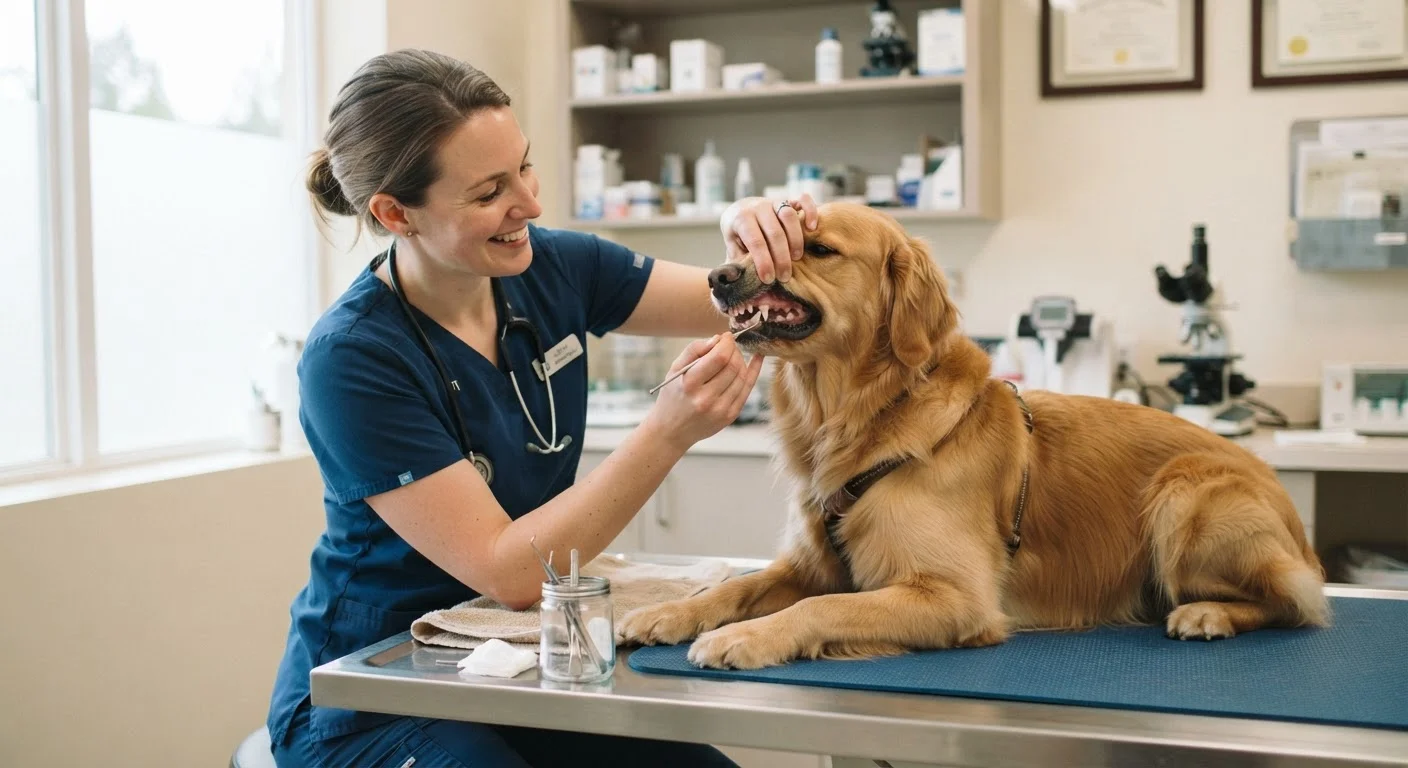
Why Dental Health Is a Core Part of Pet Wellness
Most pet owners think about vaccines, parasite prevention, and annual checkups as the pillars of routine care. Dental health, though, often gets much less attention — partly because it's less visible, and partly because pets rarely show obvious signs of tooth pain. That silence is deceptive.
Veterinary dental specialists consistently rank periodontal disease among the most prevalent conditions seen in adult dogs and cats. It doesn't develop overnight. The process begins with plaque — a soft film of bacteria that coats teeth after eating. Left undisturbed, plaque mineralizes into tartar (also called calculus) within 24 to 72 hours. Tartar creates a rough surface where more bacteria accumulate, and it extends beneath the gumline where brushing can no longer reach.
As the condition advances, the gums become inflamed (gingivitis), the tissue and bone supporting the tooth begin to break down, and the tooth may eventually loosen or require extraction. What makes this especially challenging is that pets instinctively mask discomfort, so owners often don't notice a problem until a veterinarian examines the mouth directly. See our guide to annual vet visits for a walkthrough of what those exams typically include.
~80%
Dogs showing dental disease by age 3
Veterinary dental organizations estimate that a large majority of dogs show signs of periodontal disease by their third year of life.
70%+
Cats affected by age 3
Similar estimates suggest most cats also have some degree of dental disease by age three, according to veterinary dental literature.
Stage 1–4
Veterinary periodontal disease grading scale
Veterinarians classify dental disease severity on a four-stage scale, from reversible gingivitis to advanced bone and tissue loss.
What Happens When Dental Disease Goes Untreated
Skipping dental care isn't just a cosmetic issue. When bacteria multiply below the gumline unchecked, they can enter the bloodstream through inflamed tissue. Veterinarians have long documented links between advanced dental disease and changes in the heart, kidneys, and liver. While research is still refining the exact mechanisms, the concern is well-established enough that dental health is considered part of systemic health management — not a separate, optional category.
Locally, advanced periodontal disease causes significant tissue and bone loss around affected teeth. Pets may develop painful abscesses, cracked or fractured teeth, and oral infections that affect eating. Because many pets continue eating despite significant dental pain, owners mistakenly assume the mouth is fine. Appetite changes, dropping food, favoring one side of the mouth, or increased drooling can all be subtle indicators of oral discomfort.
For a deeper look at how dental disease progresses and what it affects throughout the body, our companion piece on dental disease in pets goes into greater clinical detail.
What Effective Dental Care Actually Looks Like
Dental care for pets operates on two levels: professional cleanings done by a veterinarian under anesthesia, and daily home care between visits.
Professional cleanings are the only way to address tartar below the gumline. Under anesthesia, a veterinary team can use scaling instruments, take dental X-rays to assess bone and root health, and safely probe the gum pockets around each tooth. This isn't a luxury procedure — it's necessary once tartar has established itself, which it does in most adult pets who haven't had consistent home care.
At-home brushing is the most impactful thing owners can do between cleanings. Using a soft-bristled toothbrush and pet-specific toothpaste, daily brushing disrupts plaque before it mineralizes. It takes patience to build the habit — especially with cats — but most pets can be gradually conditioned to tolerate it when introduced slowly and positively. Dental chews, water additives, and specially formulated diets may offer supplemental benefit, but none replaces mechanical brushing.
Building dental care into a broader preventive routine — alongside grooming, weight management, and hydration — reflects how interconnected pet health systems are. Our year-round preventive care guide covers how to structure these habits together. You can also explore complementary home care practices in our article on grooming at home.
Starting Toothbrushing With a Reluctant Pet
Begin by letting your pet sniff and lick the toothpaste from your finger for several days before introducing a brush. Gradually work toward gentle lip lifts, then brief brushing sessions of just a few seconds. Keep sessions positive and short, and reward with praise. Consistency matters more than duration — a 30-second daily brushing is far more valuable than an occasional thorough attempt.
This article is for general informational purposes only and does not constitute veterinary medical advice. Always consult a licensed veterinarian for guidance specific to your pet's health needs.
Frequently Asked Questions
Dental disease is one of the most frequently diagnosed health conditions in adult pets. Veterinary estimates suggest the majority of dogs and cats show some degree of periodontal disease by age three. It often develops quietly, with no obvious symptoms until the condition is well advanced.
Yes. Bacteria from infected gum tissue can enter the bloodstream and travel to organs including the heart, kidneys, and liver. This systemic involvement is one reason veterinarians take dental health seriously as part of overall wellness, not just oral hygiene.
Mild odor is common, but noticeably foul breath — sometimes described as a rotten or very strong smell — is typically a sign of bacterial buildup or active dental disease. It warrants a veterinary evaluation rather than being dismissed as normal.
Professional veterinary dental cleanings require anesthesia so the veterinarian can safely clean below the gumline, take X-rays, and examine all tooth surfaces. Anesthesia-free cleanings remove visible surface tartar but cannot address subgingival disease, where the real damage occurs.
Daily brushing is recommended by veterinary dental specialists, as plaque can begin hardening into tartar within 24 to 48 hours. Even a few times per week offers meaningful benefit. Always use toothpaste formulated specifically for pets — human toothpaste contains ingredients that are toxic to animals.
Early signs include red or swollen gums, visible yellowish-brown buildup at the gumline, bad breath, and occasionally reluctance to chew hard food or toys. Many pets continue eating normally even in pain, so the absence of behavioral change does not mean teeth are healthy.
The content on this site is for informational purposes only and is not a substitute for professional advice. Always consult a qualified professional for guidance specific to your situation.